- Recognized as a UNESCO Intangible Cultural Heritage of Humanity since 2019, the Perdonanza has its roots in the Middle Ages and is the only annual Jubilee;
- As in previous years, the traditional lighting of the Tripod of Peace and the opening of the Holy Door by Cardinal Pietro Parolin will be accompanied by cultural events and activities;
- Biondi, Mayor of L’Aquila and President of the Perdonanza Committee: “A tangible link between spirituality and culture: the Perdonanza brings us closer to our goal of becoming the 2026 Italian Capital of Culture”;
- The lineup for Maestro Leonardo De Amicis’s concert series “Nel tempo del perdono” includes, among others, Renato Zero, Antonello Venditti, Giuliano Sangiorgi, Brunori Sas, Tananai, Stefano De Martino, Raoul Bova, and Gianluca Ginoble.
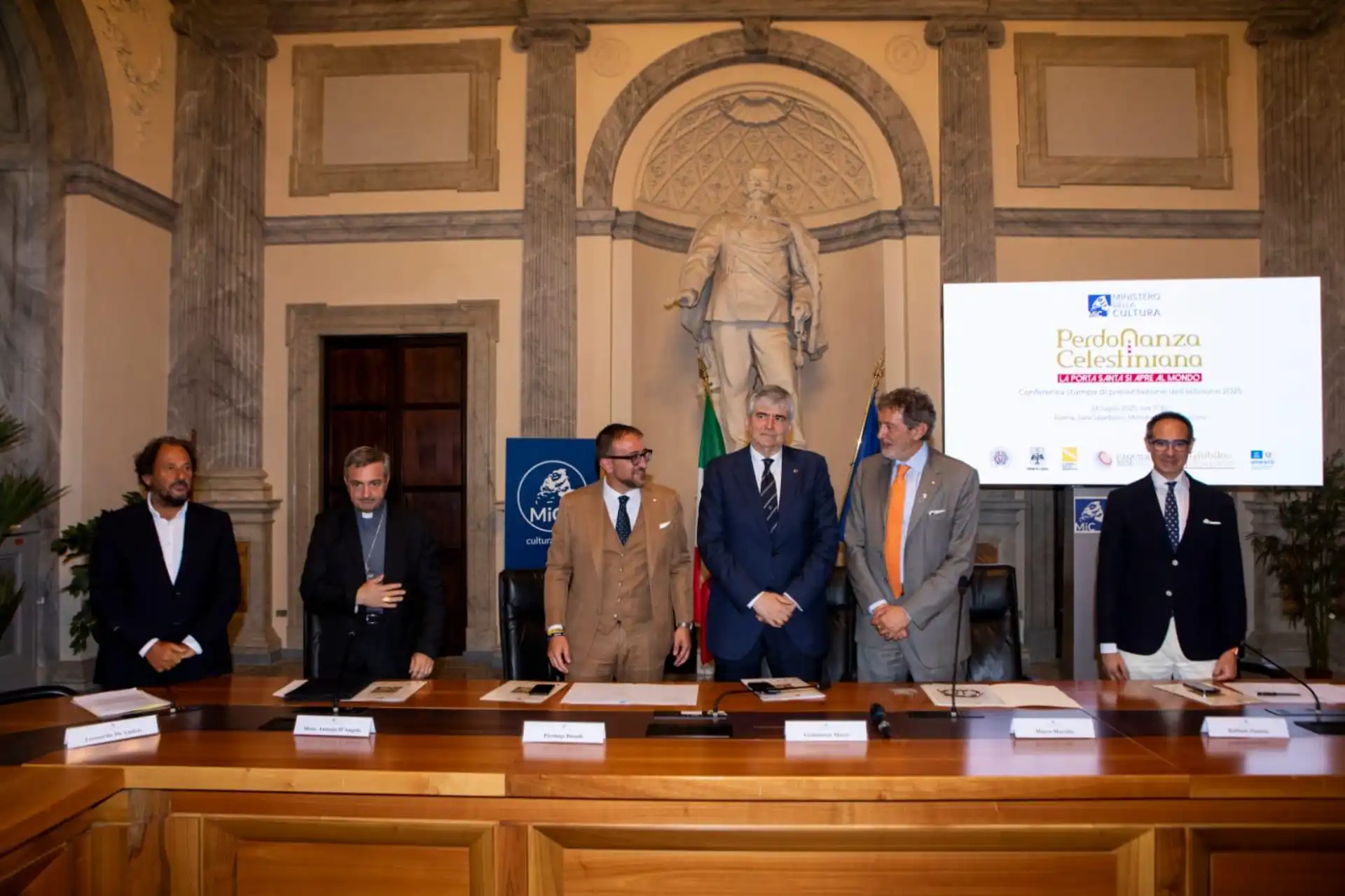
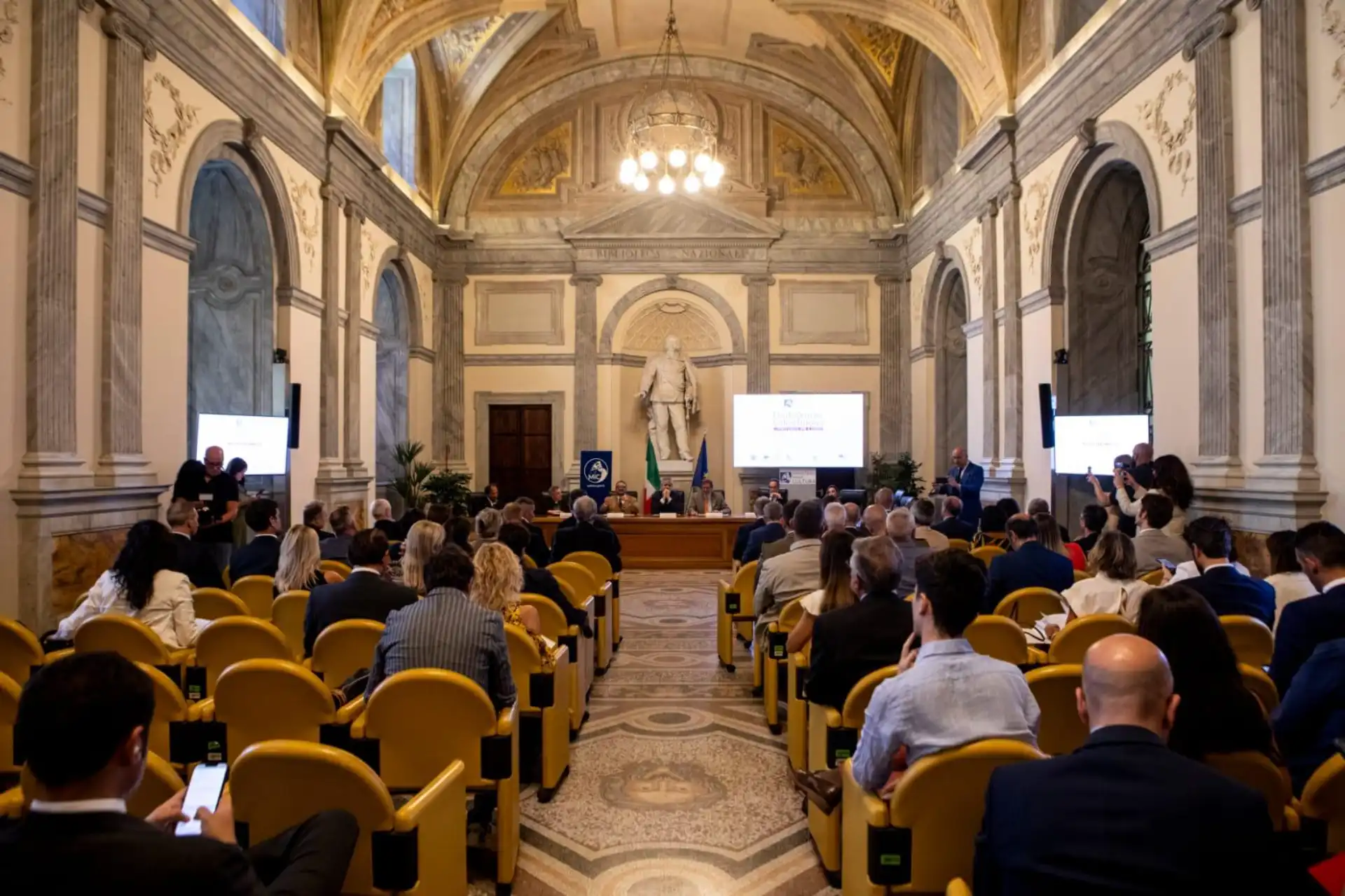
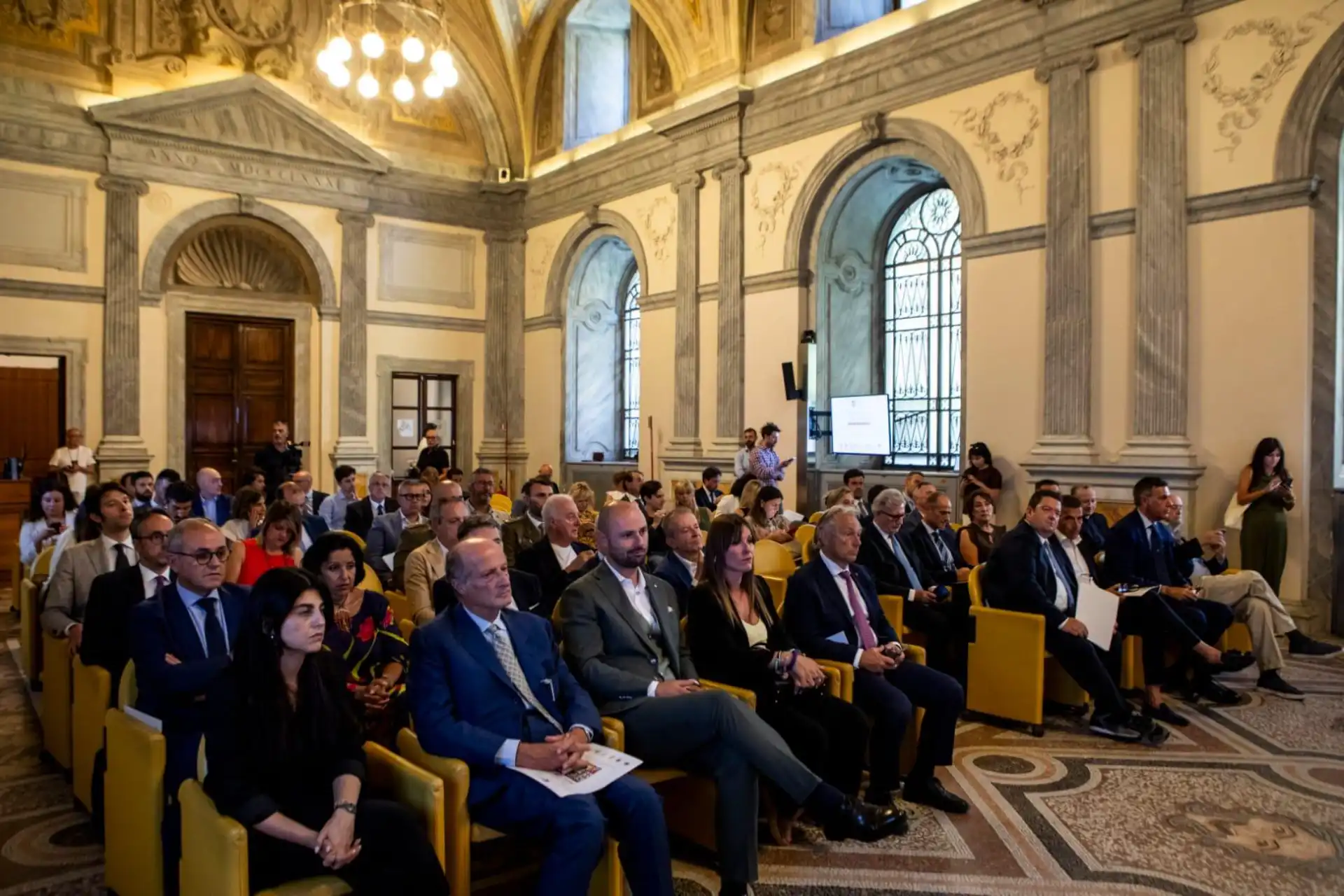
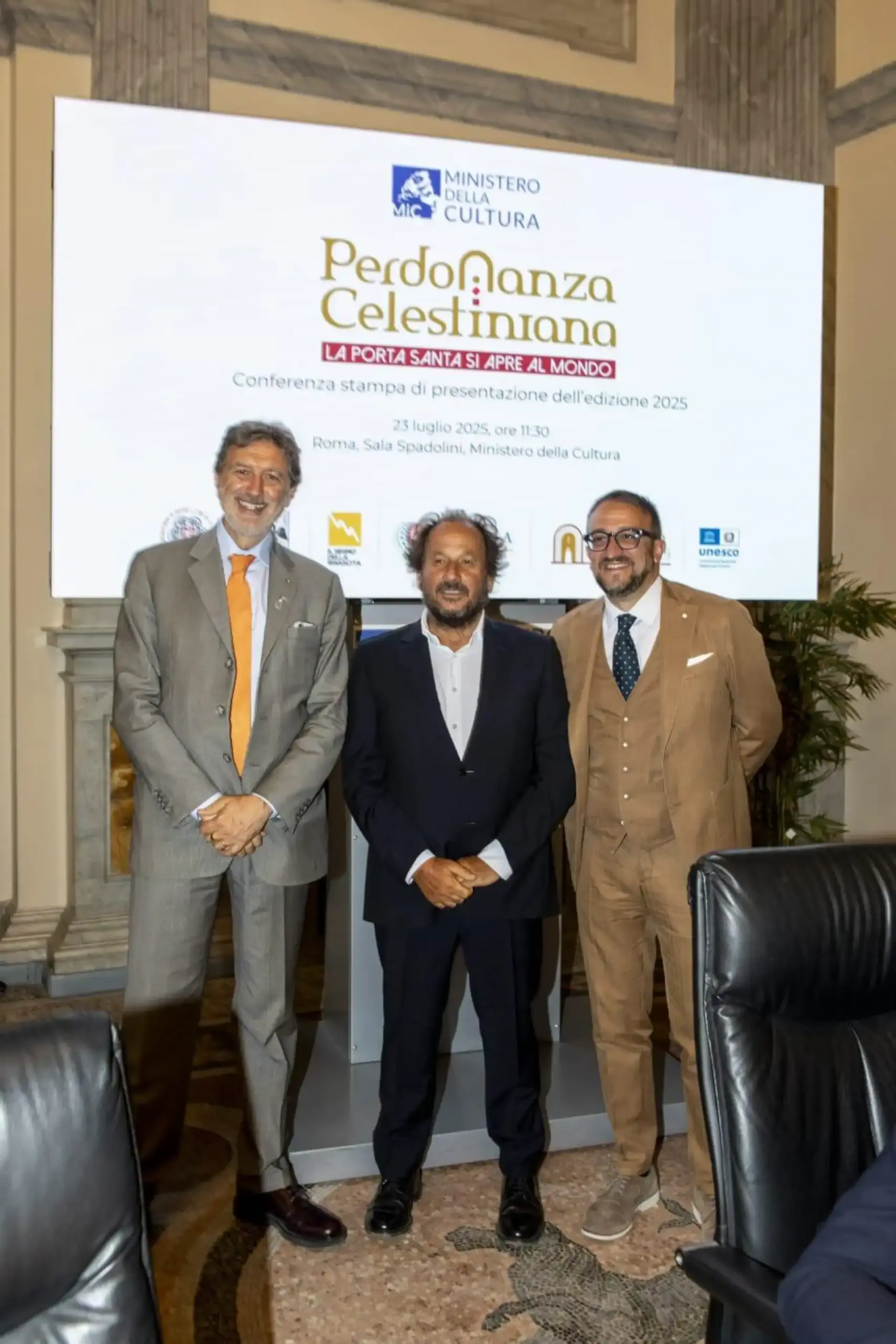
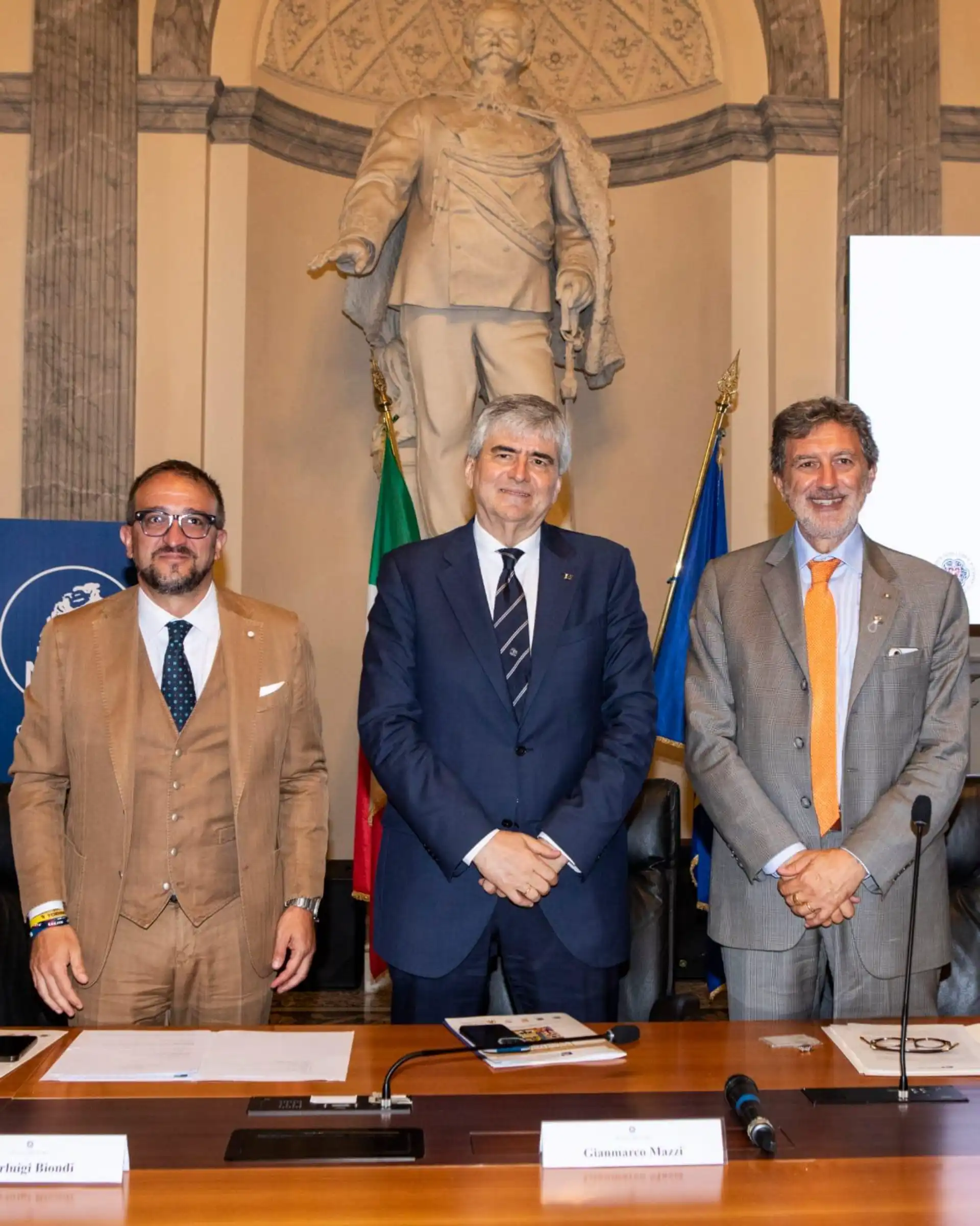
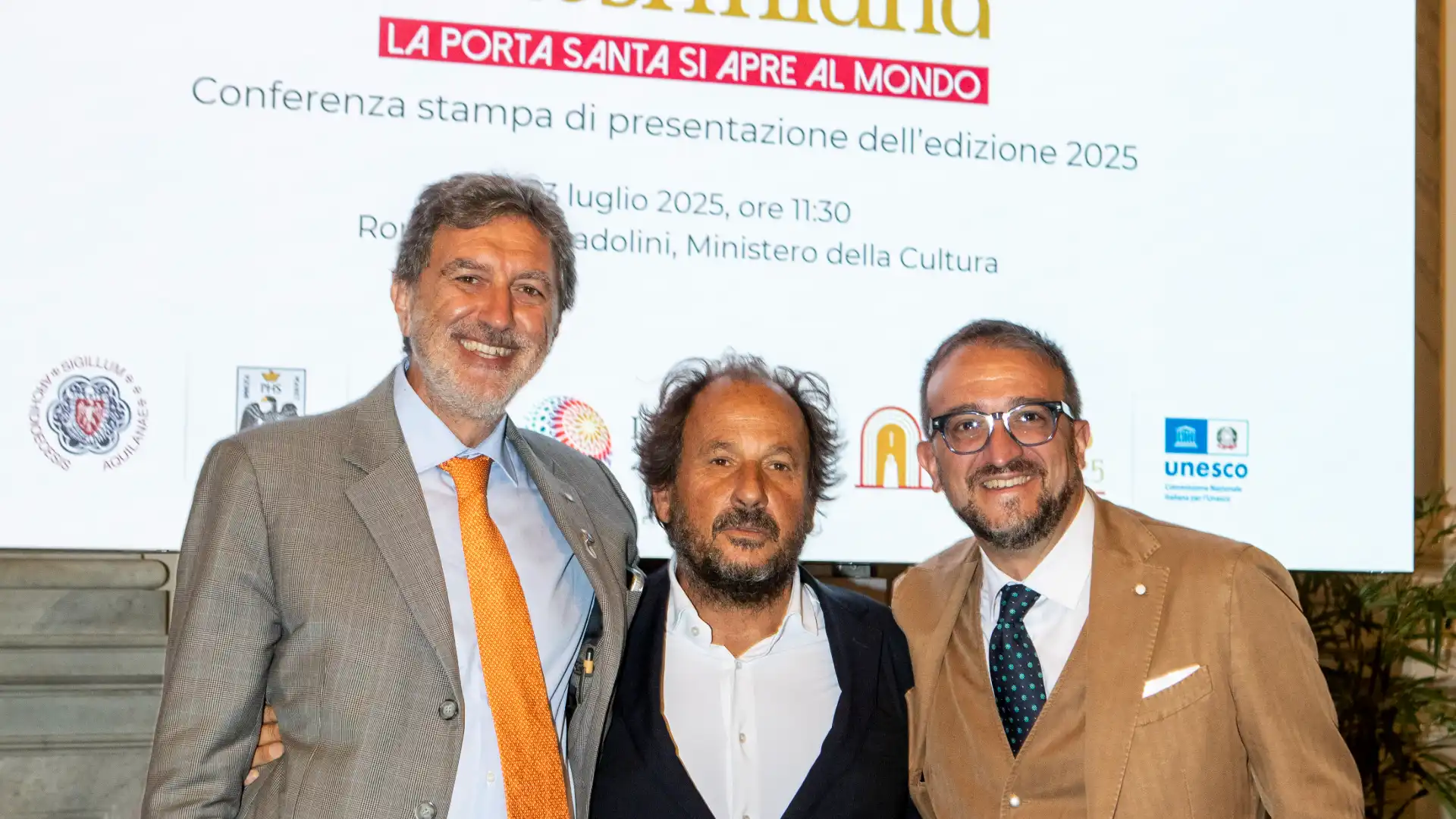
Rome, July 24, 2025 — L’Aquila once again becomes the city of forgiveness: the 731st edition of the Perdonanza Celestiniana, the only annual Jubilee, will be inaugurated on August 23 and continue through August 30. Established in 1294 by Pope Celestine V, the Perdonanza was recognized by UNESCO in 2019 as an “Intangible Cultural Heritage of Humanity,” and the 2025 edition was presented during a press conference at the Ministry of Culture.
Over the years, the festival—promoted and organized by the City of L’Aquila and the Perdonanza Committee—has gradually evolved into an event of national and international significance, driven by its universal message of peace, forgiveness, and reconciliation. Religious ceremonies, institutional events, and artistic performances traditionally take place in rotation during the last week of August, which, in 2025, takes on a new significance as it precedes the year in which L’Aquila will be named the “Italian Capital of Culture.”
“On August 28 and 29 in L’Aquila,” commented Gianmarco Mazzi, Undersecretary at the Ministry of Culture, “the solemn rite of the Perdonanza will take place, which can rightly be considered the first Jubilee in history and holds extraordinary significance for us today precisely because it prompts reflection on the concept of ‘forgiveness.’ It is an event of the utmost importance; last year it drew over 30,000 visitors, so I would like to congratulate Mayor Biondi and Marsilio, President of Abruzzo, who organize it, and I wish this year’s edition all the success it deserves, on behalf of myself and the Ministry of Culture.”
“I would like to thank all those who, year after year, have dedicated themselves to ensuring that this event continues to grow and to help people better understand the message of hope that Pietro da Morrone passed down to us—a message that is dramatically relevant in a complex and painful time like the one we are currently experiencing,” added Marco Marsilio, President of the Abruzzo Region. “Special thanks go to the Organizing Committee—comprising the three areas of expertise: institutional, religious, and technical-operational—which, with great sensitivity, skillfully balances the religious and spiritual dimension from which this event draws its strength with its growing cultural significance.”
“The Perdonanza,” emphasizes Pierluigi Biondi, Mayor of L’Aquila and President of the Perdonanza Committee, “is now a well-established event, recognized both nationally and internationally, the result of a collective effort in which institutions have worked side by side. Ever since I took office, I have believed in its growth, in promoting the universal message contained in the Bull of Pardon, and in involving the entire community. This year, more than ever, the connection between spirituality, culture, and social cohesion is becoming a reality, propelling L’Aquila toward its goal of becoming the 2026 Italian Capital of Culture.”
At the center of the week are the religious celebrations, the true heart of the Perdonanza Celestiniana: the festivities begin on Saturday, August 23, with the lighting of the Tripod of Peace. On Thursday, August 28, meanwhile, over a thousand participants in medieval historical costumes will form the Historical Procession that will escort the Bull of Pardon to the Basilica, where the Holy Door will be officially opened that evening in the presence of Mayor Pierluigi Biondi and Cardinal Pietro Parolin. The Bull of Pardon will be displayed inside the Basilica until the following day: on August 29, after the solemn closing ceremony of the Holy Door, a second procession will accompany it back to the Municipal Residence.
“The mention of the Perdonanza indulgence in Pope Francis’s Jubilee Bull *Spes non confundit* was a great honor, and above all, a confirmation of the great spiritual value of the Perdonanza granted by Pope Saint Celestine V.” Added His Excellency Monsignor Antonio D’Angelo, Archbishop of the Metropolitan Archdiocese of L’Aquila. “The presence of Vatican Secretary of State Cardinal Parolin—whom I sincerely thank for accepting my invitation—confirms the universal dimension of the Perdonanza, a treasure preserved in L’Aquila, and this brings us great honor, though it is intended for the universal Church and the entire world.”
“This is my eighth Perdonanza, and every year I have tried to craft a narrative that remains faithful to tradition yet speaks the language of the present,” commented Leonardo De Amicis, Artistic Director of the 731st Perdonanza Celestiniana. “This year, the word ‘forgiveness’ does not remain in the background: we are placing it at the center—as a theme, as a vision, as a necessary act. Through music, dance, the spoken word, and the coming together of generations, this Perdonanza aims to be a shared, civic, and popular journey—but also one that is deeply cultural. We have brought together extraordinary artists, symbolic spaces, memory, and the future to offer L’Aquila a great collective embrace. This edition belongs to the city, tells its story, and propels it forcefully toward 2026, the Year of Culture.”
The cultural program—once again designed exclusively for L’Aquila this year—features theater, dance, and music performances for and with the local community. Among the artists involved are names and faces of national and international renown: from the principal dancers of the Royal Ballet in London, the Birmingham Royal Ballet, the Vienna and Berlin State Operas, the Compañía Nacional de Danza in Madrid, and the Dutch National Ballet, to Renato Zero, from Antonello Venditti to Stefano de Martino, from Francesco Gabbani to Francesca Michielin, from Brunori Sas to Giuliano Sangiorgi, and also Gianluca Ginoble, Tananai, Gaetano Curreri, Alex Britti, Amara, and Vittoriana De Amicis—all coming together for the 731st Perdonanza Celestiniana in this Jubilee year and as a prelude to L’Aquila’s designation as Italy’s Capital of Culture.