
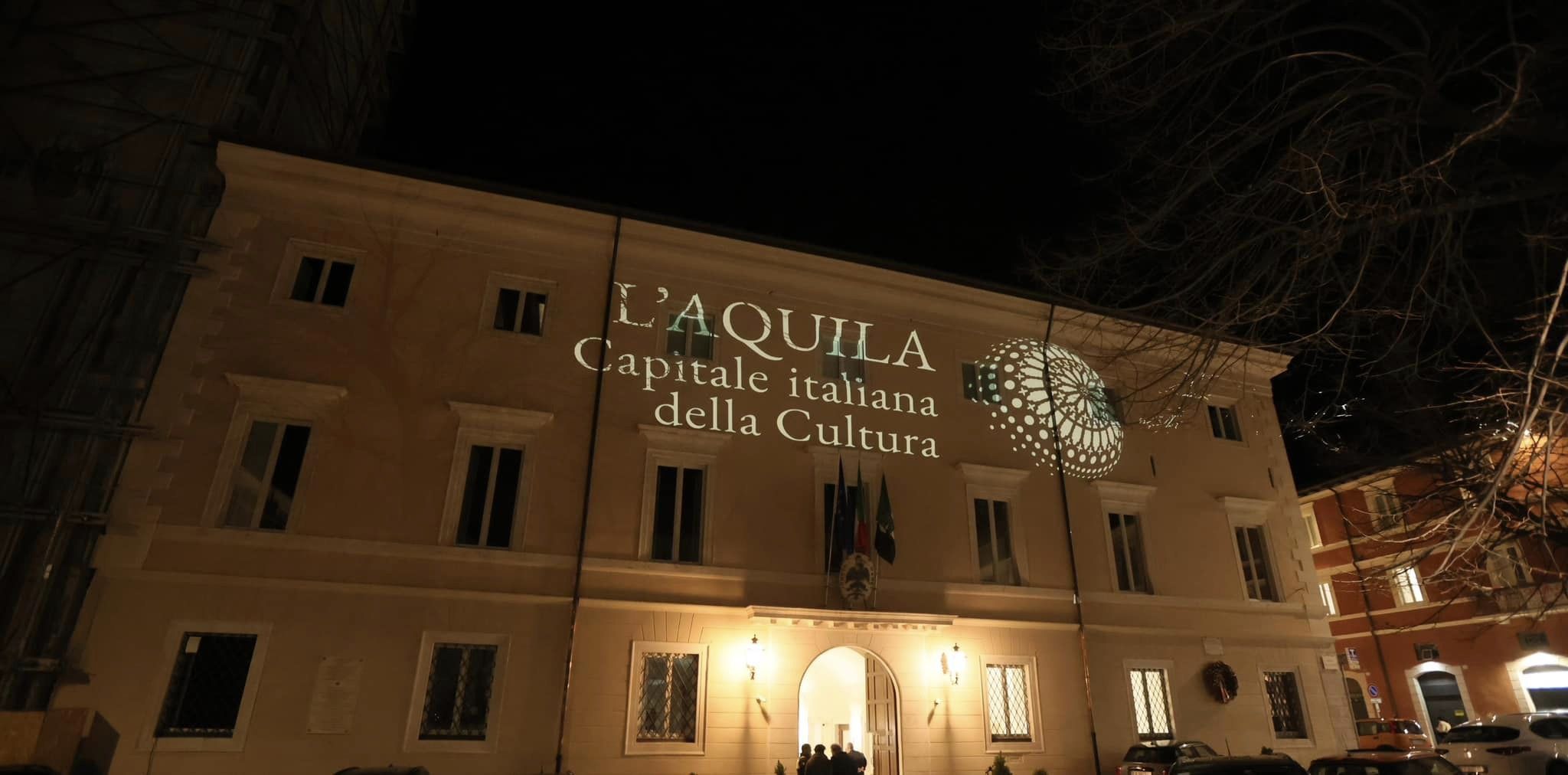
Another step forward toward 2026, the year in which L’Aquila will be the Italian Capital of Culture. The City Council has, in fact, approved the draft mandatory guidelines submitted by the Ministry of Culture, which set forth the procedures and deadlines for accessing the 1 million euro grant allocated for the implementation of the official program of initiatives related to this prestigious designation.
At the same time, through a specific policy directive, the Administration has tasked all departments of the municipality—each within its own area of responsibility—with organizing the opening ceremony and the events that will kick off the “Year of the Capital” in early 2026. The date and details of the event will be announced shortly.
An event that will be not only symbolic but also logistical and operational: the official launch of a comprehensive program involving cultural institutions, local organizations, residents, and visitors. The goal is to fully convey the essence of a city that has been revitalized through culture, using it as a catalyst for development, cohesion, innovation, and identity.
The program will also take shape thanks to the funds allocated through the RESTART 2 Program, which has allocated over 17 million euros to the City of L’Aquila for cultural development projects in the Abruzzo earthquake zone, including 4 million specifically earmarked for “L’Aquila, Capital of Culture 2026.”
“With the approval of the ministerial guidelines and the start of the process leading up to the inaugural ceremony,” says Pierluigi Biondi, mayor of L’Aquila, “we are solidifying a vision we have built over time: L’Aquila as a city of culture, memory, identity, and the future. This designation is the result of a strategy that has brought together institutions, associations, and citizens, and which today marks one of its most tangible milestones. But our goal goes beyond mere celebration: we want 2026 to be the year of the city’s full cultural, social, and economic rebirth, in dialogue with Italy and Europe.”
The Administration has also begun discussions with top government officials to set the date for the opening ceremony and has established an interagency task force to organize the event, which will handle venue setup, security, communications, promotion, and all logistical and organizational aspects.
“2026 will not only be the Year of Culture, but also the year in which we recognize a new role for L’Aquila: a driving force for the entire Apennine region and the inland areas of Central Italy, capable of attracting talent, investment, and positive narratives, while showcasing its history and looking toward the future,” concludes Biondi.