
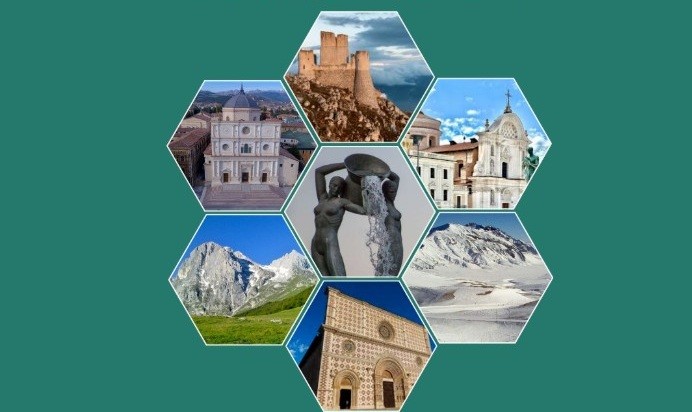
The City Council of L’Aquila today approved the policy guidelines and resource allocation plan for the Restart program for the year 2026, allocating 1.5 million euros to the development of cultural activities and the enhancement of the earthquake-affected area’s appeal to tourists, in recognition of the city’s designation as the 2026 Italian Capital of Culture.
The funds, allocated to the initiative “Developing Cultural Potential to Boost the Craters’ Appeal to Tourists,” will be distributed across four areas of focus, with the goal of expanding the cultural offerings and supporting local institutions, organizations, and creative entities: 900,000 euros (Track A) will be allocated to support cultural institutions recognized by the Ministry of Culture and AFAM institutions; 125,000 euros (Track B1) have been allocated for projects directly identified by the Administration, including Researchers’ Night (50,000 euros) and the Festival of Medieval Cities (75,000 euros); 325,000 euros (Category B2) will fund projects proposed by cultural organizations in the 2009 earthquake-affected area through a public call for proposals; an additional 150,000 euros (Category C) is earmarked for cultural initiatives of national significance in the municipalities of the “crater” area, excluding L’Aquila.
The update to the Restart 2024/2026 Guidelines reintroduces Track B2 for 2026, aimed at expanding participation and fostering cultural vitality in the region next year.
“We want 2026 to be a year in which every corner of the city and the region tells a story, comes alive, and surprises us,” said Mayor Pierluigi Biondi, “in the true spirit of our journey toward the Year of Culture: ‘One Region, a Thousand Capitals.’”
“That is why we have chosen to expand the pool of beneficiaries: culture is an opportunity that should be shared by involving communities and their talents.”
Advance resource planning will make it possible to establish, in a timely manner, the schedule of events and initiatives related to the “L’Aquila Città Multiverso” project, which will guide the city’s path in 2026 in accordance with the four strategic pillars of the New European Agenda for Culture: social cohesion, well-being, innovation, and sustainability.