L’AQUILA 2026: ONE REGION, A THOUSAND CAPITALS.
MATTARELLA TO KICK OFF THE YEAR OF CULTURE ON JANUARY 17
FROM THE GDF SCHOOL AUDITORIUM TO THE CITY CENTER: HERE IS THE DAY’S PROGRAM
Biondi: “This is recognition of a culturally-based model of revitalization for inland areas”
L’Aquila, December 23, 2025 – The inauguration ceremony forL’Aquila, Italian Capital of Culture 2026, scheduled for Saturday, January 17, 2026, featuring the official ceremony in the morning, at theAuditorium of the Guardia di Finanza School for Inspectors and Superintendents, and a packed schedule of public events in the afternoon and evening, taking place throughout the city’s historic center.
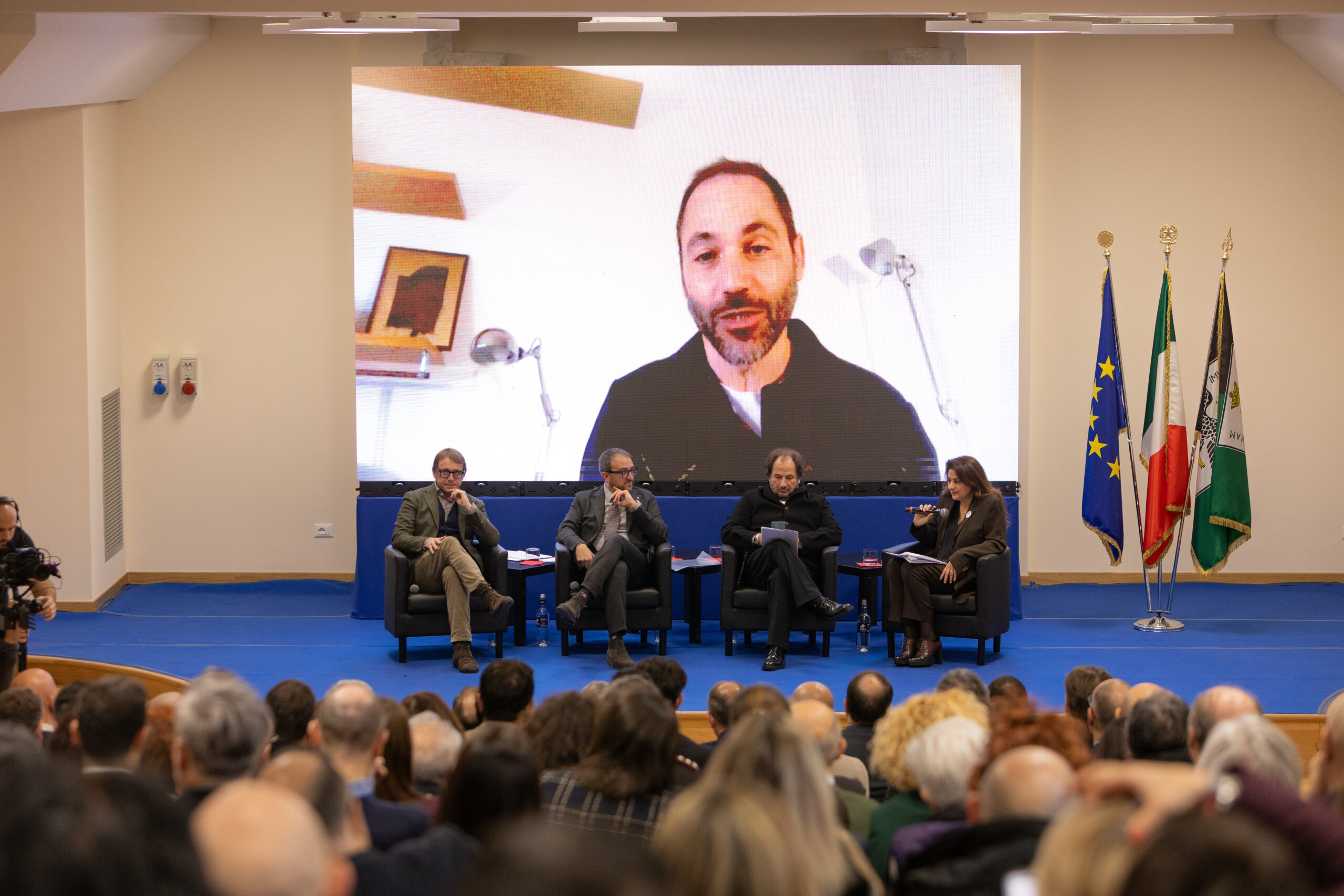
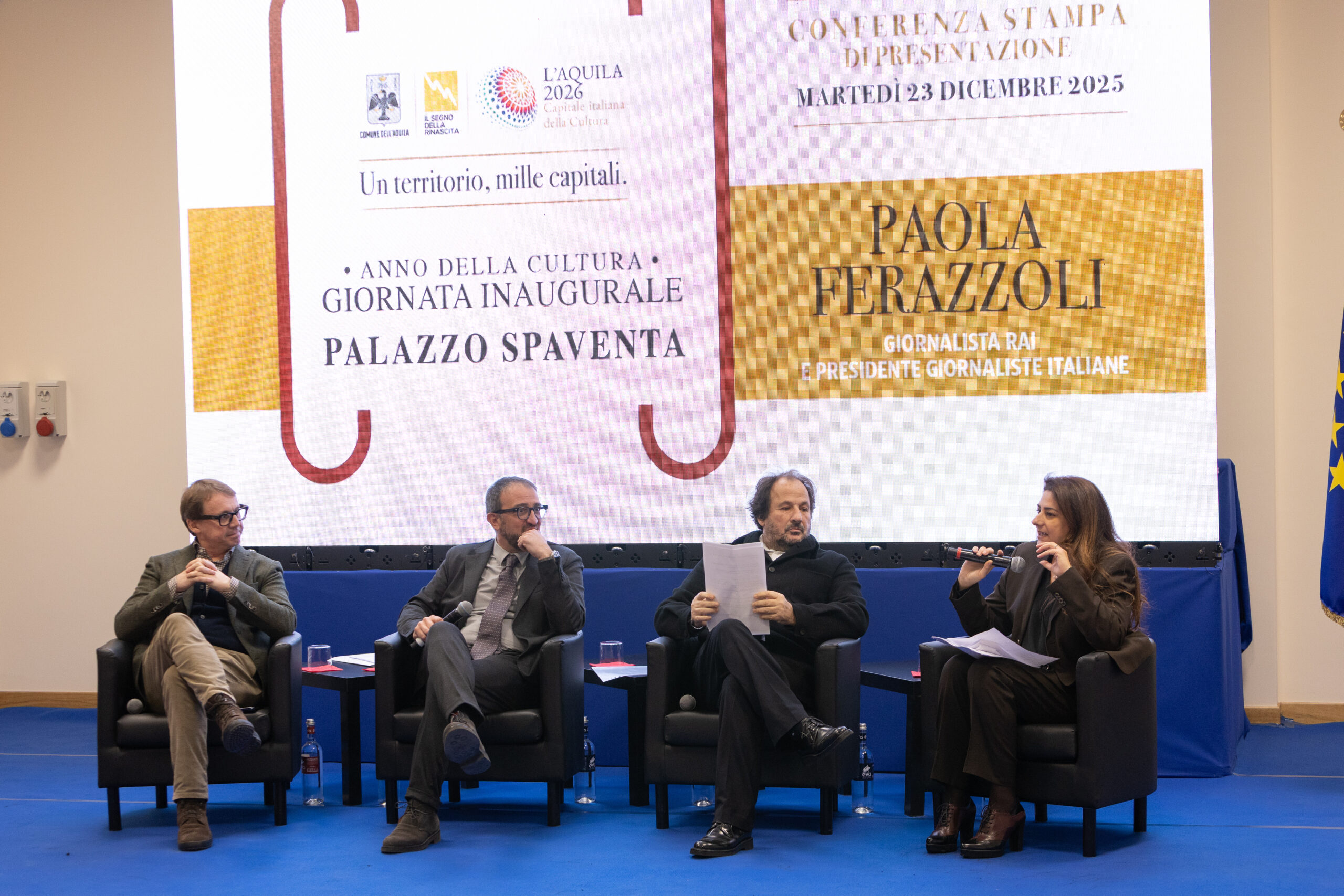
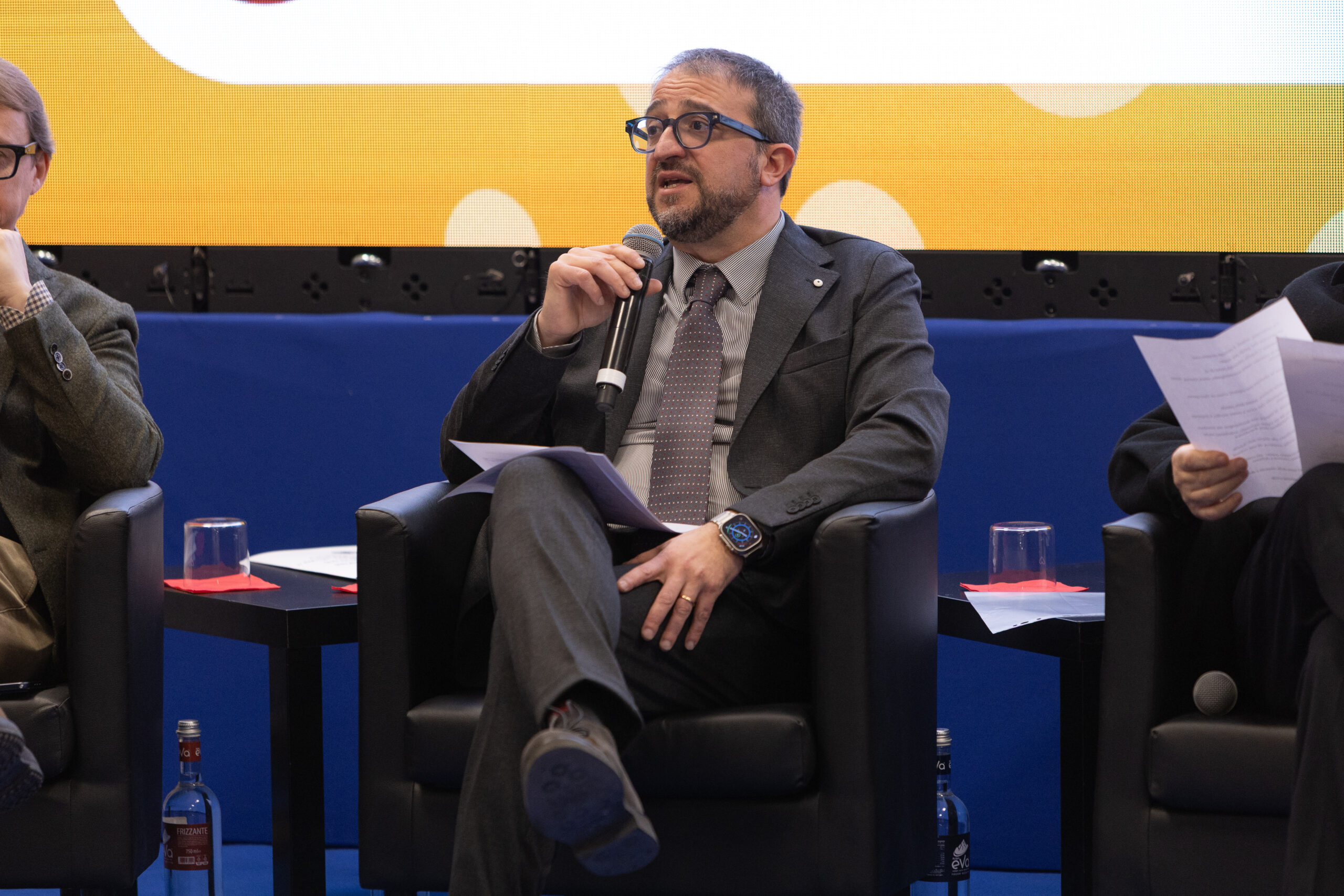
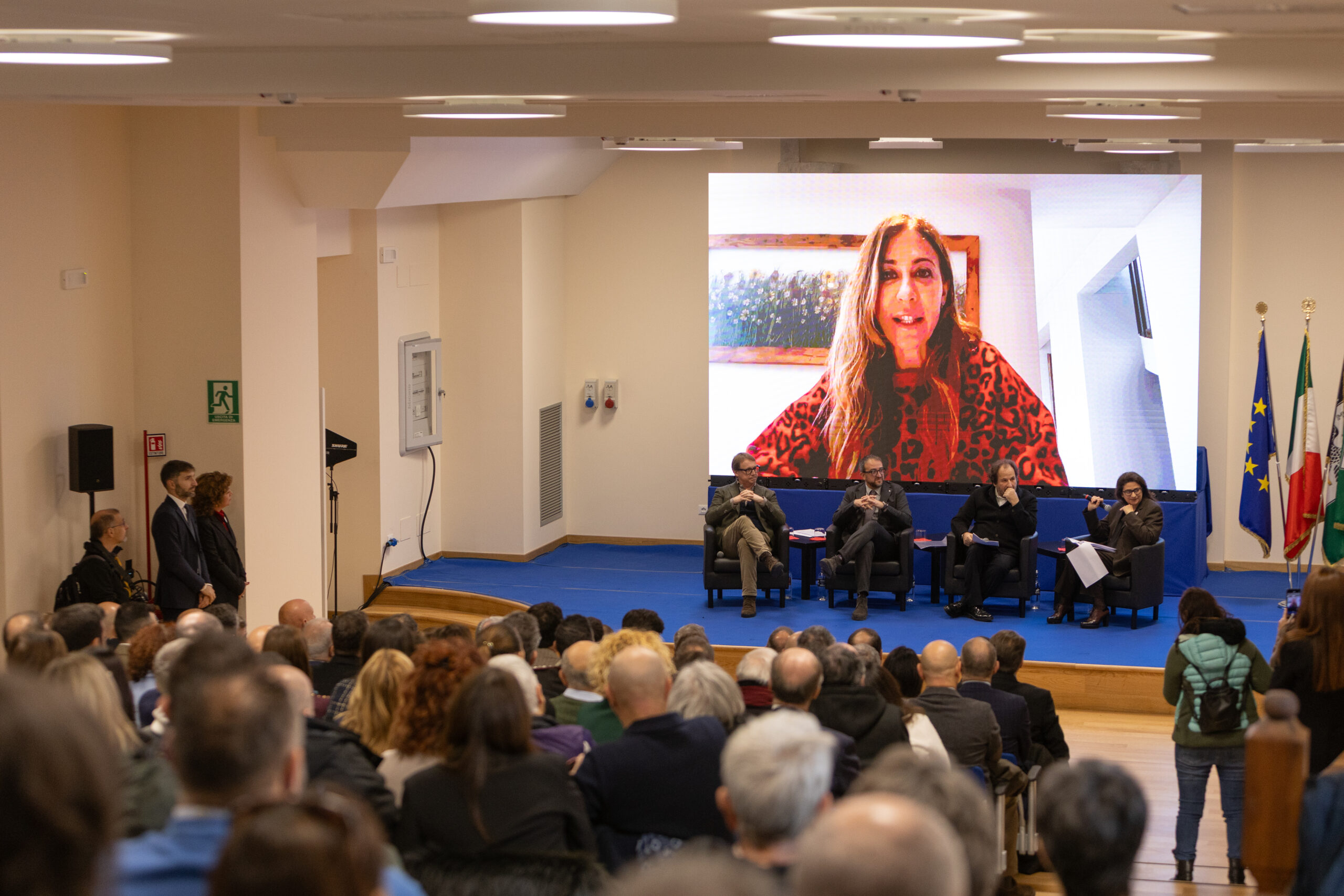
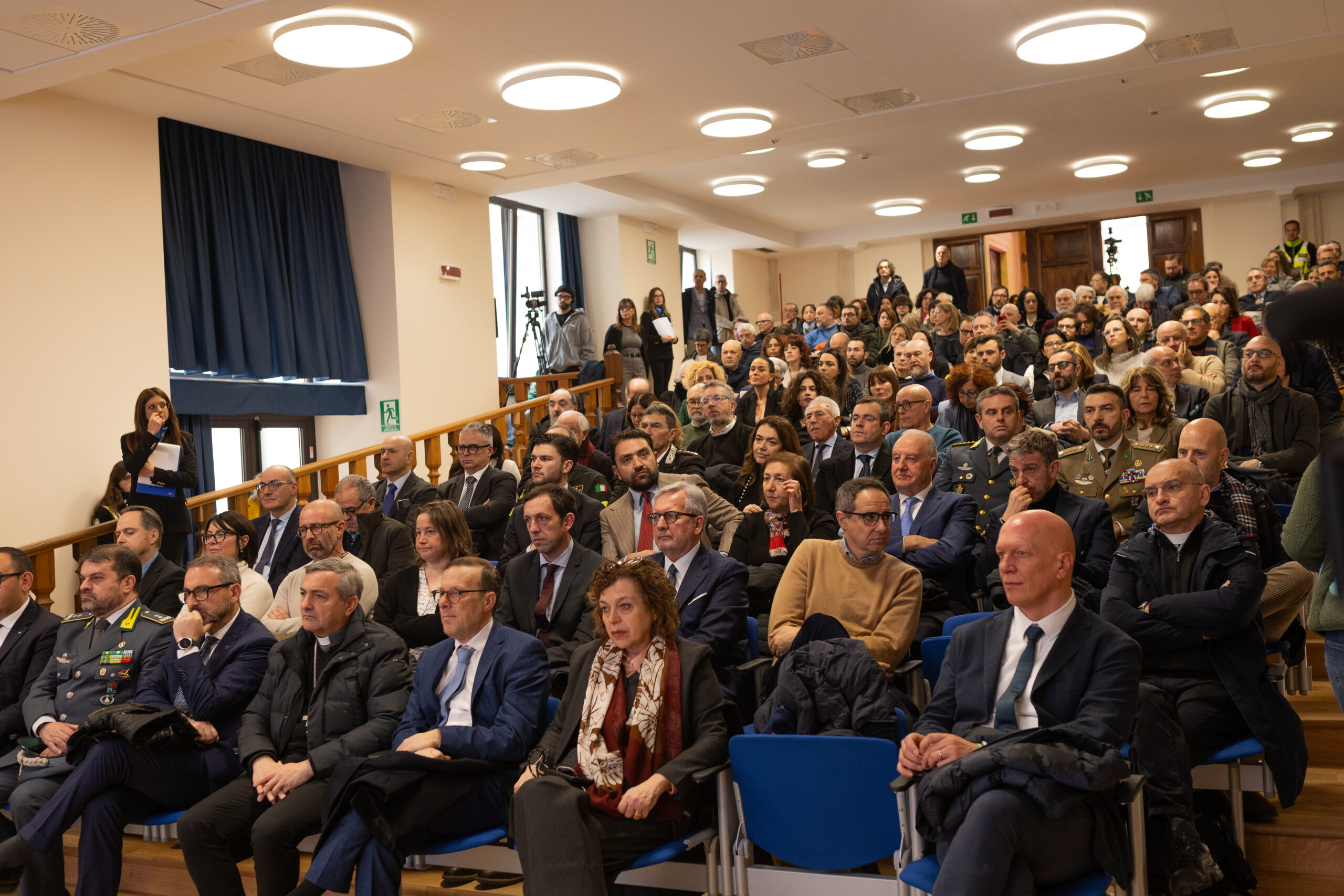
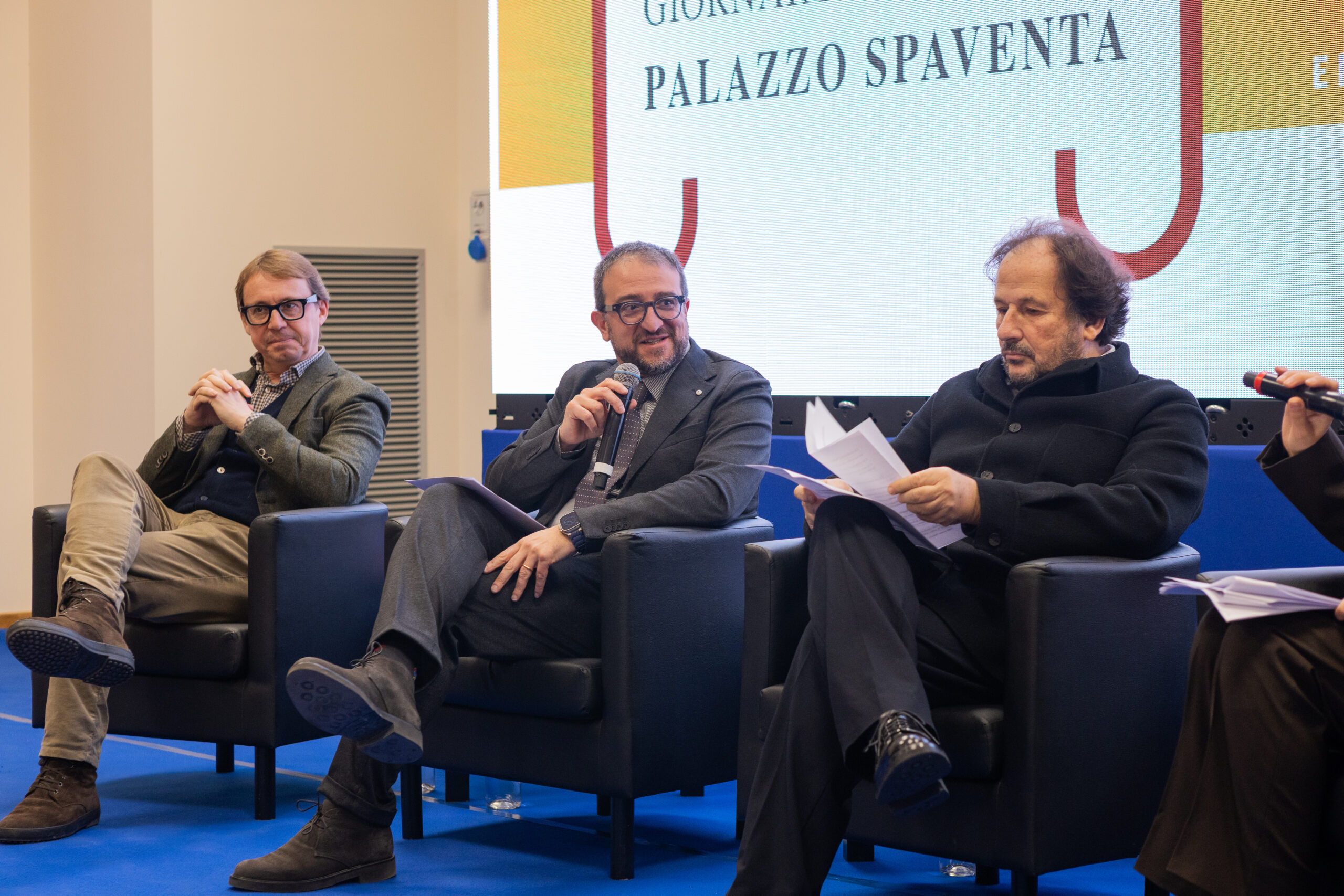
The press conference took place in a venue of great symbolic significance: the John Paul II Hall has, in fact, been restored to use following the 2009 earthquake and will host numerous cultural events throughout 2026, thanks to an agreement between the City of L’Aquila and the Province of Naples of the Society of Jesus.
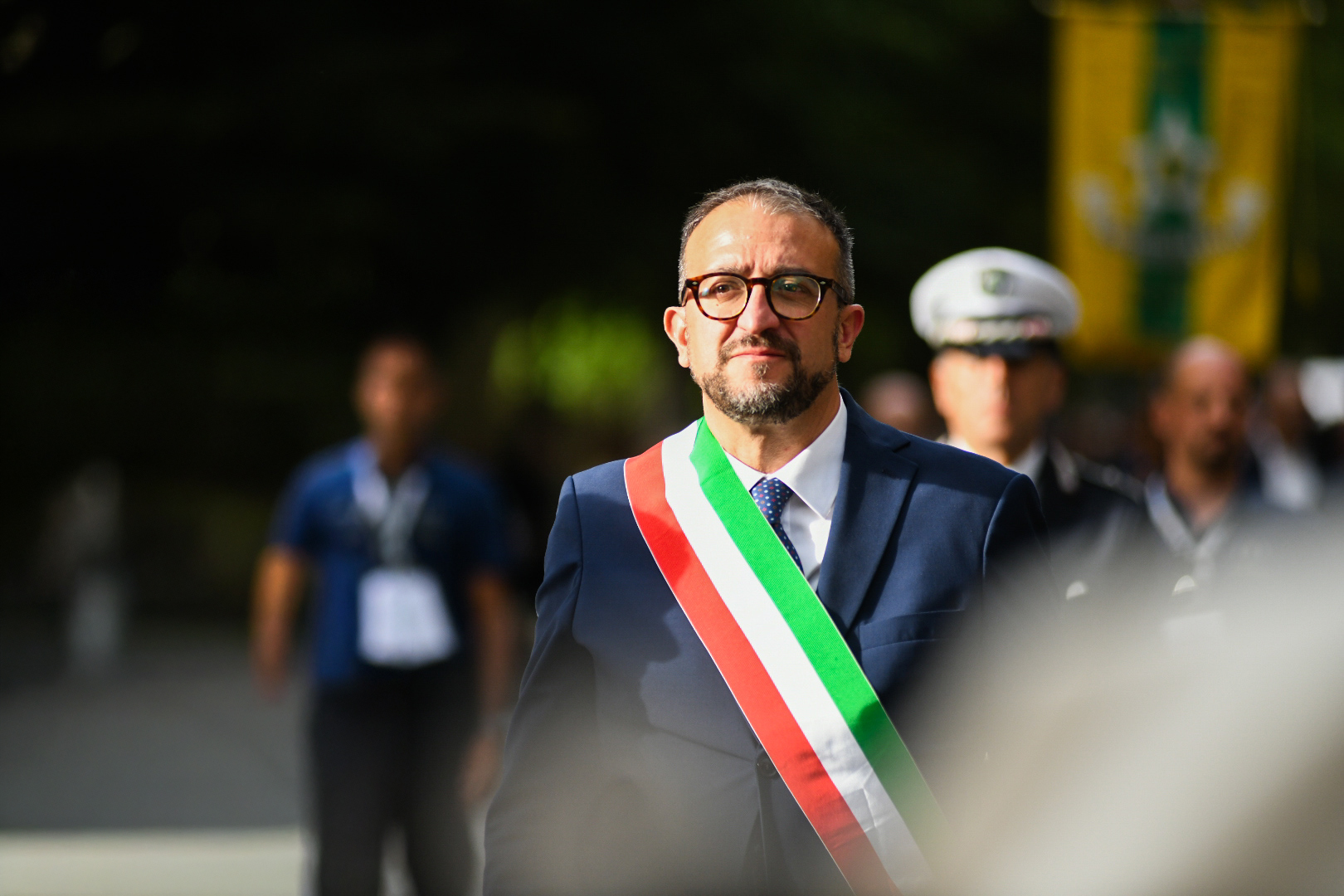
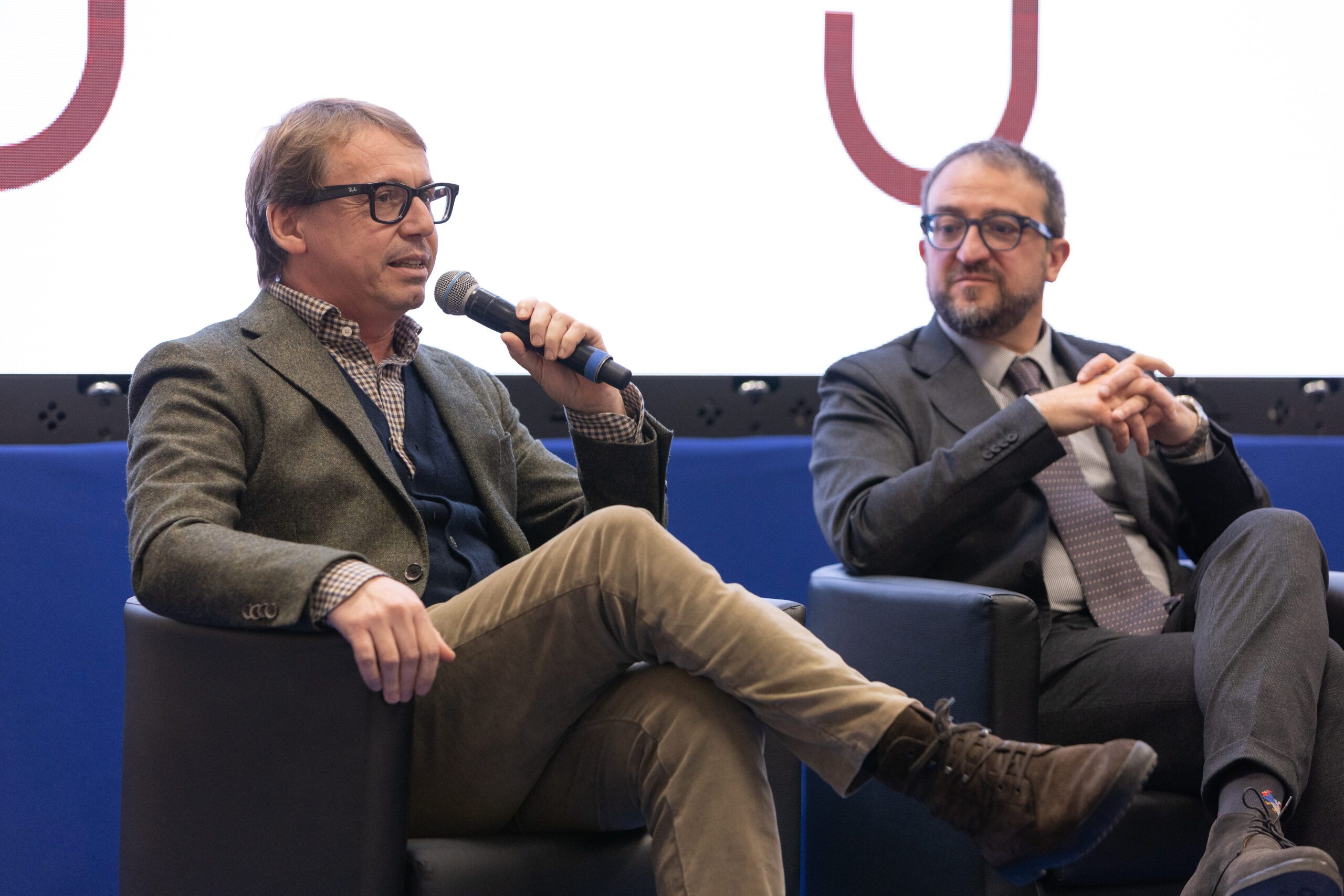
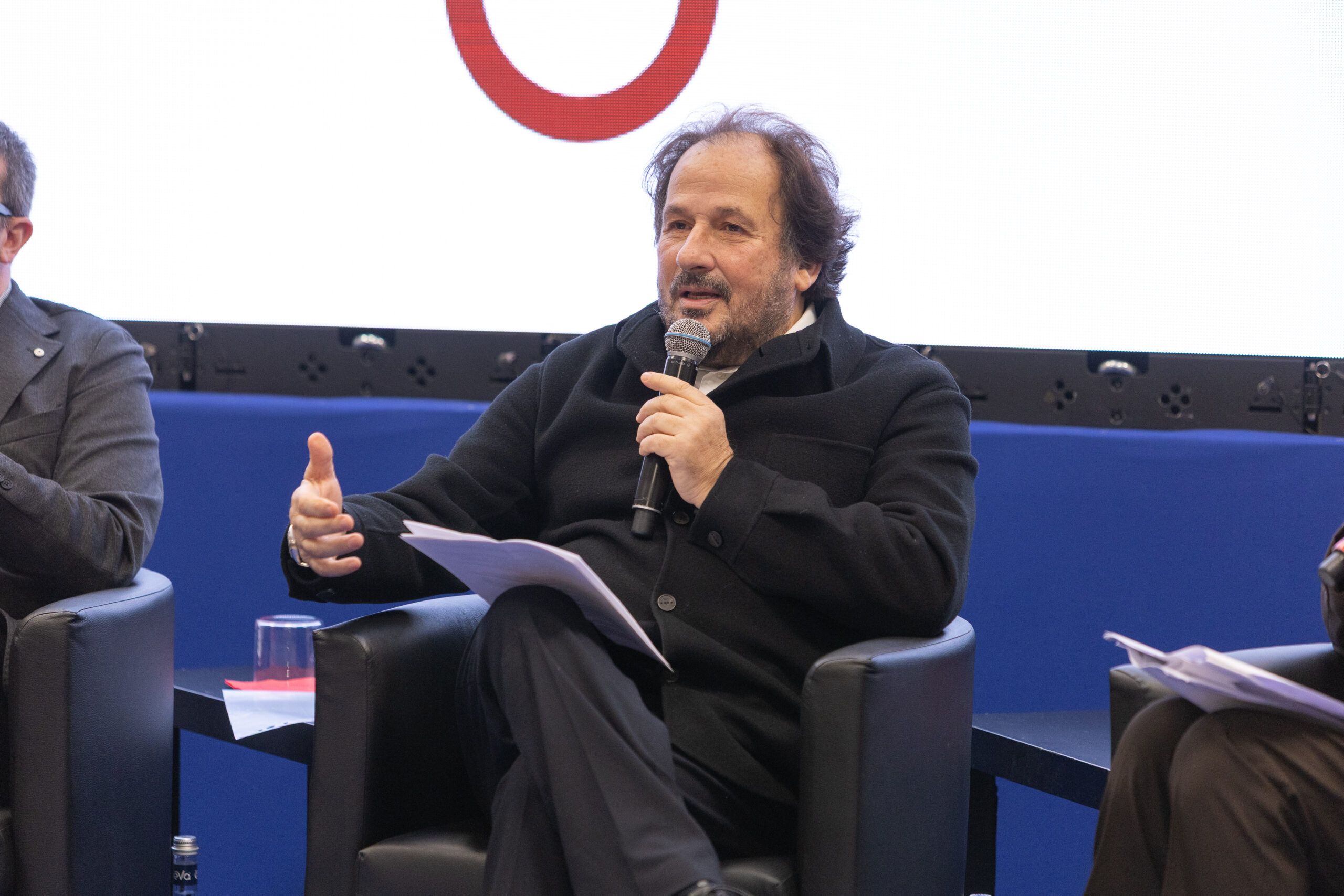
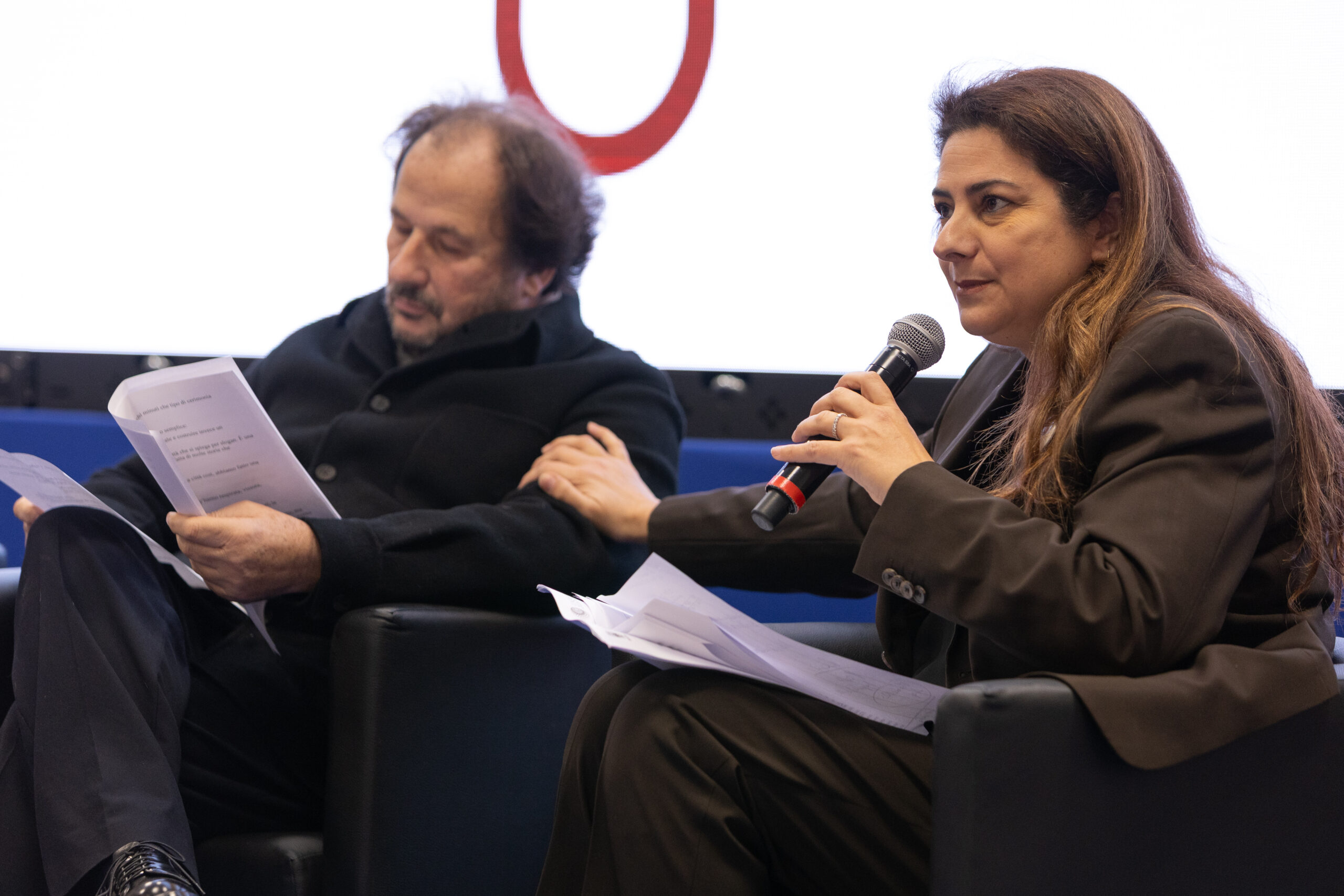
The press conference was attended by the Mayor of L’Aquila, Pierluigi Biondi, and Maestro Leonardo De Amicis—a conductor, composer, author, and music producer who has served as musical and artistic director for major institutional events of the Italian Republic and the Holy See, including those broadcast worldwide. Formerly the artistic director of the Perdonanza Celestiniana and the Cantieri dell’Immaginario, he served as musical director for six editions of the Sanremo Festival and numerous prime-time programs, and this year also served as artistic and musical director of the morning’s official ceremony; the journalist Francesca Fagnani and communications expert and entrepreneur Paride Vitale, who will host the ceremony; Marco Boarino, director of the opening ceremony for the 2026 Milan-Cortina Winter Paralympics and artistic director of the public inauguration events in the afternoon and evening.
The choice of theAuditorium of the Guardia di Finanza School in Coppito as the venue for the opening ceremony speaks volumes about a fundamental part of L’Aquila’s recent history. In the aftermath of the 2009 earthquake, that location served as the hub for emergency response, the sheltering of displaced residents, and the coordination of initial responses to the tragedy that struck the city and its surrounding area. It was also the site of the G8 summit in July of that same year. The Auditorium, which has been closed since 2019, is now being returned to the community following a lengthy restoration period.
Seventeen years later seventeen years, that same venue once again serves as the setting for an event destined to shape the present and future of the regional capital: the launch of the year ofL’Aquila, Italian Capital of Culture 2026. From a place of necessity to a place of vision, the Coppito Auditorium has become a symbol of a journey that has transformed pain into awareness and reconstruction into opportunity, marking a rebirth that extends not only to the cultural sphere but also to the very identity of the region, which has once again turned its gaze forward with confidence and responsibility.
The morning’s official ceremony
The inauguration ceremony forL’Aquila, Italian Capital of Culture 2026 will take place in the presence of the President of the Republic, Sergio Mattarella. Participants will include the mayors of the L’Aquila and Rieti regions, those who contributed to the preparation of the bid dossier, a delegation of students, and citizens who have joined the project of the Culture Ambassadorsproject, an initiative that engages active citizens—shopkeepers and business owners—with the goal of enhancing the region’s capacity to welcome visitors during the Year of Culture.
The ceremony, organized by the Teatro Stabile d’Abruzzoand conducted by Maestro Leonardo De Amicis, will feature a full-fledged philharmonic orchestra, a symbol of the city’s deep-rooted musical tradition. The orchestra members of theIstituzione Sinfonica Abruzzese —one of the twelve Italian concert and orchestral institutions recognized by the Ministry of Culture—along with several colleagues from the association I Solisti Aquilani —one of Italy’s oldest chamber music ensembles. Joining them, as a sign of hope for L’Aquila’s musical future, will be a distinguished group of students from the “A. Casella” State Conservatory of Music.
The highlight of the morning will be an artistic narrative divided into chapters that explores the city’s history, identity, memory, and vision for the future. The narrative will focus on the Apennine region, on L’Aquila and its relationship with Rieti, its origins, and its civil and spiritual reconstruction, and will recount the Celestinian legacy. L’Aquila, furthermore, is portrayed as a city capable of providing a home and a future for those who contributed to its rebirth, with a dedication to remembrance and collective responsibility through a tribute to the victims of the Rigopiano tragedy, the anniversary of which falls on January 18. It will also be an opportunity to remember great figures associated with Abruzzo.
The entire artistic portion of the morning ceremony is deeply rooted in the identity of L’Aquila and Abruzzo: all the artists and performers who will take the stage have ties to the region, either through their origins or through careers developed within the area’s major local cultural institutions.
Leonardo De Amicis, a highly acclaimed conductor from L’Aquila, has conducted the Sanremo Festival orchestra on numerous occasions throughout his brilliant career, establishing himself as one of the most influential figures in the Italian music scene. He has been artistic director of Perdonanza since 2018. Journalist and television host Francesca Fagnani has deep roots in the region: her family is originally from Cagnano Amiterno, a town located just a few kilometers from L’Aquila. Paride Vitale was born in Pescasseroli, in the province of L’Aquila, and over time has built a multifaceted career spanning news, entertainment, and cultural outreach, always keeping a close eye on his homeland.
Pietrangelo Buttafuoco, current president of the Venice Biennale Foundation and a leading intellectual in Italian cultural discourse, previously served, among other roles, as president of the Teatro Stabile d’Abruzzo (TSA) from 2019 to 2024, contributing to its artistic revival and reaffirmation of its identity. Also deeply connected to the TSA are Giorgio Pasotti, the theater’s current artistic director, a veteran actor and director, and Simone Cristicchi, a singer-songwriter, playwright, and performer of great sensitivity, who held the same position from 2017 to 2020.
Fabrizio Mancinelli, a composer and conductor, lived in L’Aquila from an early age, where he received his artistic training; Today he lives in Los Angeles, is a voting member of the Academy of Motion Picture Arts and Sciences (Oscars), the Emmys, and the Recording Academy (Grammys), and is the composer of internationally acclaimed soundtracks. Jazz singer Simona Molinari lived and received her artistic training in L’Aquila, a city that profoundly shaped her artistic journey, as did the soprano Aloisia de Nardis, a leading performer in the operatic and concert repertoire.
The actress Viola Graziosi, in addition to having played the role of Dama della Bolla in 2023 during the historical procession of the Perdonanza Celestiniana—the oldest and most iconic event in the city of L’Aquila—has long collaborated with the Teatro Stabile d’Abruzzo, playing leading roles, such as in the play Clytemnestra. The singer-songwriter Amara has also contributed over the years to the organization of numerous artistic and cultural events in L’Aquila, helping to promote the city’s creative heritage.
Finally, among both emerging and established opera singers, the following tenors are worth noting: Riccardo Della Sciucca and Lorenzo Martelli, both from Abruzzo: the former is originally from Atri, in the province of Teramo, and the latter from Tagliacozzo, in the province of L’Aquila. Both are pursuing careers that have taken them to major national and international stages.
The ceremony in the city and the live broadcast on RAI
Everyone will be able to watch the morning’s official ceremony live on Rai3 starting at 10:45 a.m.
Afternoon and Evening: L’Aquila, City of Light
On January 17, the event will continue with an extensive program of events, conceived and directed by Marco Boarino, which will transform the historic center into a vast urban stage.
From 3:15 p.m. to 5:15 p.m., the small squares in the city center will host performances by street performers and entertainment, designed especially for families and children.
At 5:30 p.m., in the area of the Castle and the Park Auditorium, the sky over L’Aquila will light up with the first Drone Show, an original production that, through light choreography, will showcase the region’s history, identity, and innovative spirit.
Next, from 5:45 p.m. to 6:15 p.m., the audience will be guided along Corso Vittorio Emanuele on a urban procession led by DUNDU, the large, illuminated puppet standing up to four meters tall, which serves as both the symbol and the central theme of the inauguration.
At 6:15 p.m., in Piazza Duomo, the spectacular highlight of the evening will come to life: the entrance of DUNDU and the Molecules of Light—evocative, animated light figures accompanied by live music—will kick off a performance that will culminate with the official remarks and thelighting of the light installation “Il Faro 99”, a symbol of the “heavenly city” and of memory transforming into the future.
From 7:45 p.m., the small squares in the city center will come alive again with concerts and DJ sets, while at around 9:30 p.m., in the area around the Castle and the Park Auditorium, there will be a a repeat performance of the Drone Showis scheduled to take place, bringing the opening day to a close.
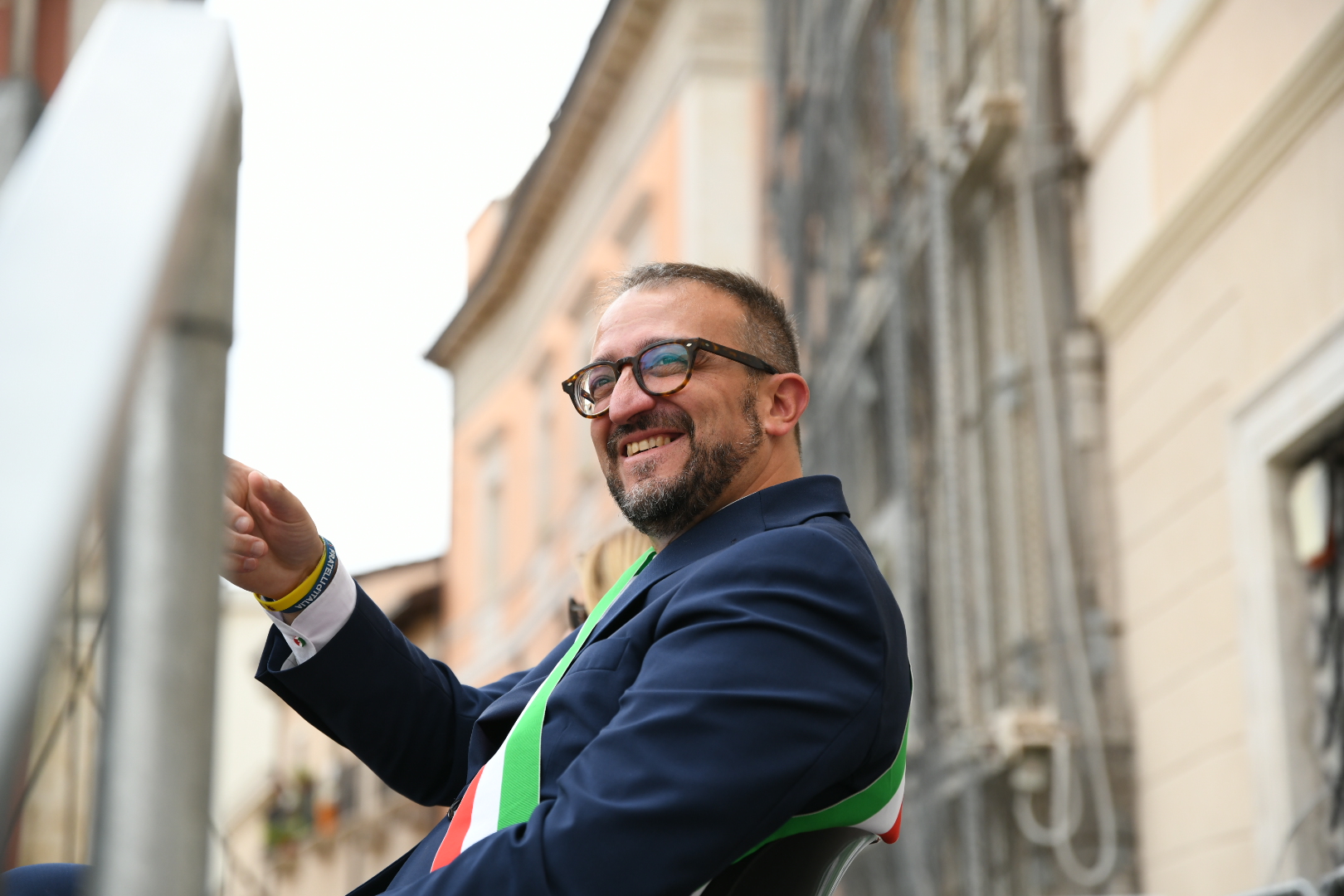
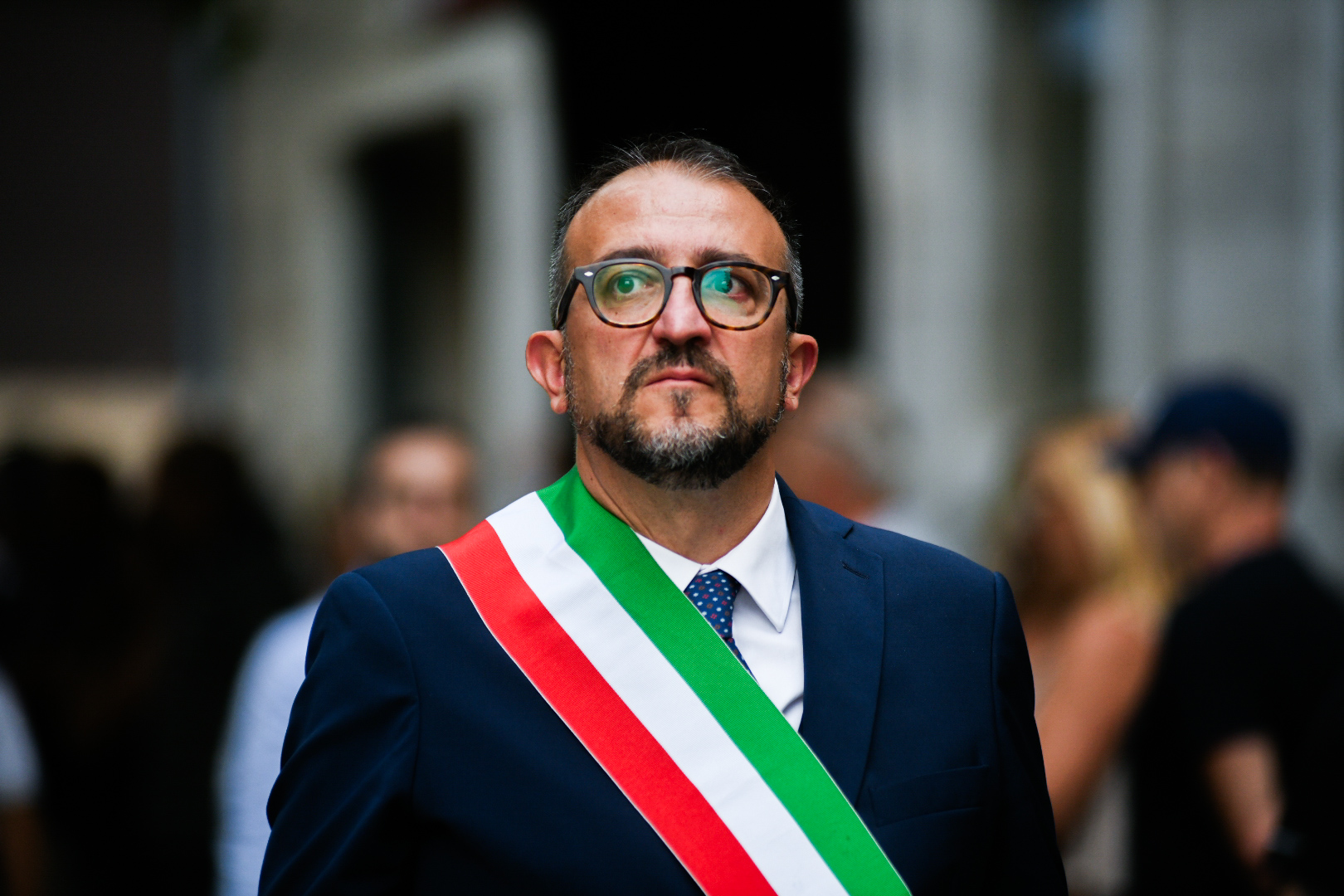
The mayor of L’Aquila, Pierluigi Biondi, stated: “The inauguration of L’Aquila as the 2026 Italian Capital of Culture is not merely the start of a calendar of events, but the beginning of a new chapter in our collective history. We have chosen to begin at a highly symbolic location, the Auditorium of the Guardia di Finanza Academy, which in 2009 served as an emergency response center and today once again becomes a place of vision, culture, and community. L’Aquila 2026 tells the story of a region that has transformed reconstruction into a project, memory into responsibility, and culture into a driver of civic, social, and economic development. One region, a thousand capitals This is what it means: a city that engages with its Apennines, with Rieti, with Italy, and with the world, placing people, skills, young people, cultural institutions, and active citizenship at the center. The presence of the President of the Republic, Sergio Mattarella, lends this moment a significance that extends beyond city and regional boundaries and acknowledges the progress L’Aquila has made in recent years. On January 17, we are not celebrating a milestone, but the beginning of a journey that will accompany us throughout 2026, with the ambition of leaving a lasting legacy for our region and for future generations.”
Thus said the master Leonardo De Amicis: “This ceremony is conceived as a semi-chronological narrative, designed to guide both those who have always known L’Aquila and those who are discovering it for the first time. It is a journey that guides gently and without taking anything for granted, conveying the profound essence of a city through time, memory, and its ability to envision the future. Leading this narrative are artists and voices who have truly lived in L’Aquila: they have breathed in its daily life, navigated its vulnerabilities, shared its wounds, and witnessed the strength with which the city has managed to rise again. They are privileged witnesses, capable of recounting the city’s story in its historical, civic, cultural, and deeply human dimensions. From this interweaving emerges an authentic narrative that recognizes culture as a generative force—capable of rebuilding not only physical spaces but also a sense of belonging, a bond with the community, and a collective vision of the future. It is through this concrete experience—through living memory and its ongoing transformation—that L’Aquila opens itself to Italy and the world, offering its own history as a universal language capable of speaking to everyone.”
“For those like me who have their roots in this land, it is a source of great pride to see this city finally able to put the long nightmare of the earthquake and its aftermath behind it and finally look ahead with confidence and pride in how it has managed to get back on its feet,” said Francesca Fagnani.
“I’ve always tried to showcase Abruzzo through my books, my TV shows, and the cultural initiatives I organize in my region: it is therefore an honor for me to have been invited to co-host, alongside Francesca Fagnani, such an important event that shines a spotlight on a city that will truly shine through culture,” emphasized Paride Vitale.
Marco Boarino stated: “The inauguration on January 17 is intended to be a collective gesture that draws on L’Aquila’s history and its deepest identity to look toward the future. A program designed for the city and with the city, transforming wounds into light and memory into vision. Culture thus becomes a shared space, capable of engaging citizens as active participants and of telling the story of this region in an inclusive and contemporary way. Through light, the sky, the squares, and the symbols that belong to this community, we celebrate what L’Aquila has been, what it has become, and what it can still imagine, charting new paths of meaning and beauty in the heart of Abruzzo.”