
From the solemn commemorations for the 309 victims to the new milestones in the reconstruction effort: L’Aquila, Italy’s 2026 Capital of Culture, continues to serve as a model of social and civic regeneration.
The commemorations marking the 17th anniversary of the 2009 earthquake concluded on Monday, April 6. This anniversary takes on even deeper significance this year, as it is part of L’Aquila’s prestigious journey toward becoming the 2026 Italian Capital of Culture. The city came together in a solemn tribute to the 309 victims, reaffirming that remembrance is not merely a duty but a fundamental pillar for building the future.
A Account of the Celebrations: Between Light and Spirituality
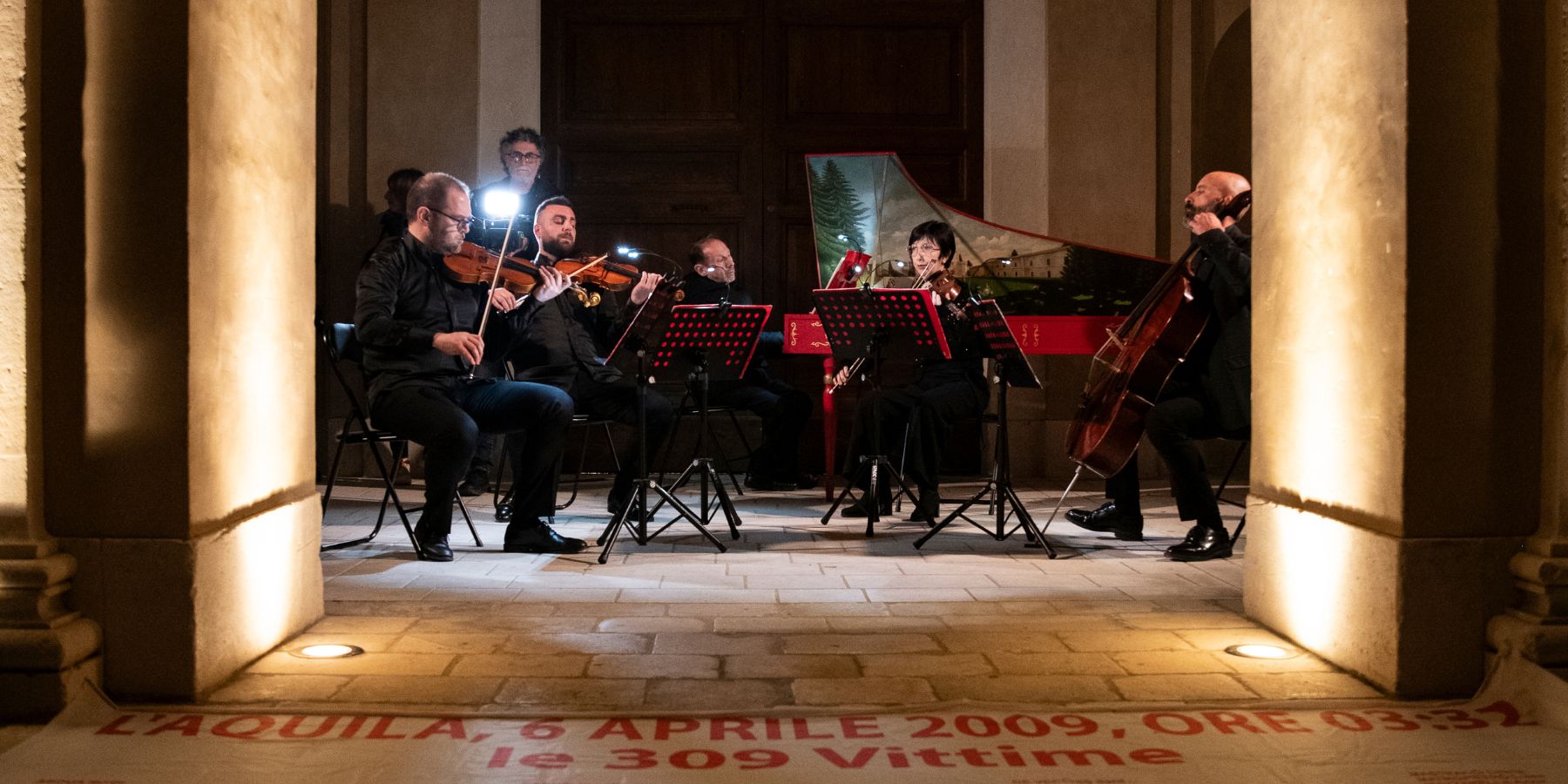
The program of commemorations combined artistic expressions with moments of profound spirituality. The event began on the evening of April 5 with a beam of blue light rising from the courtyard of Palazzo Margherita, followed by a concert by the Solisti Aquilani and a silent procession to the Parco della Memoria for the reading of the names of the “angels” of April 6.
On Monday, we visited the city’s most iconic sites:
-
The Student House: A floral tribute in memory of Antonietta Centofanti.
-
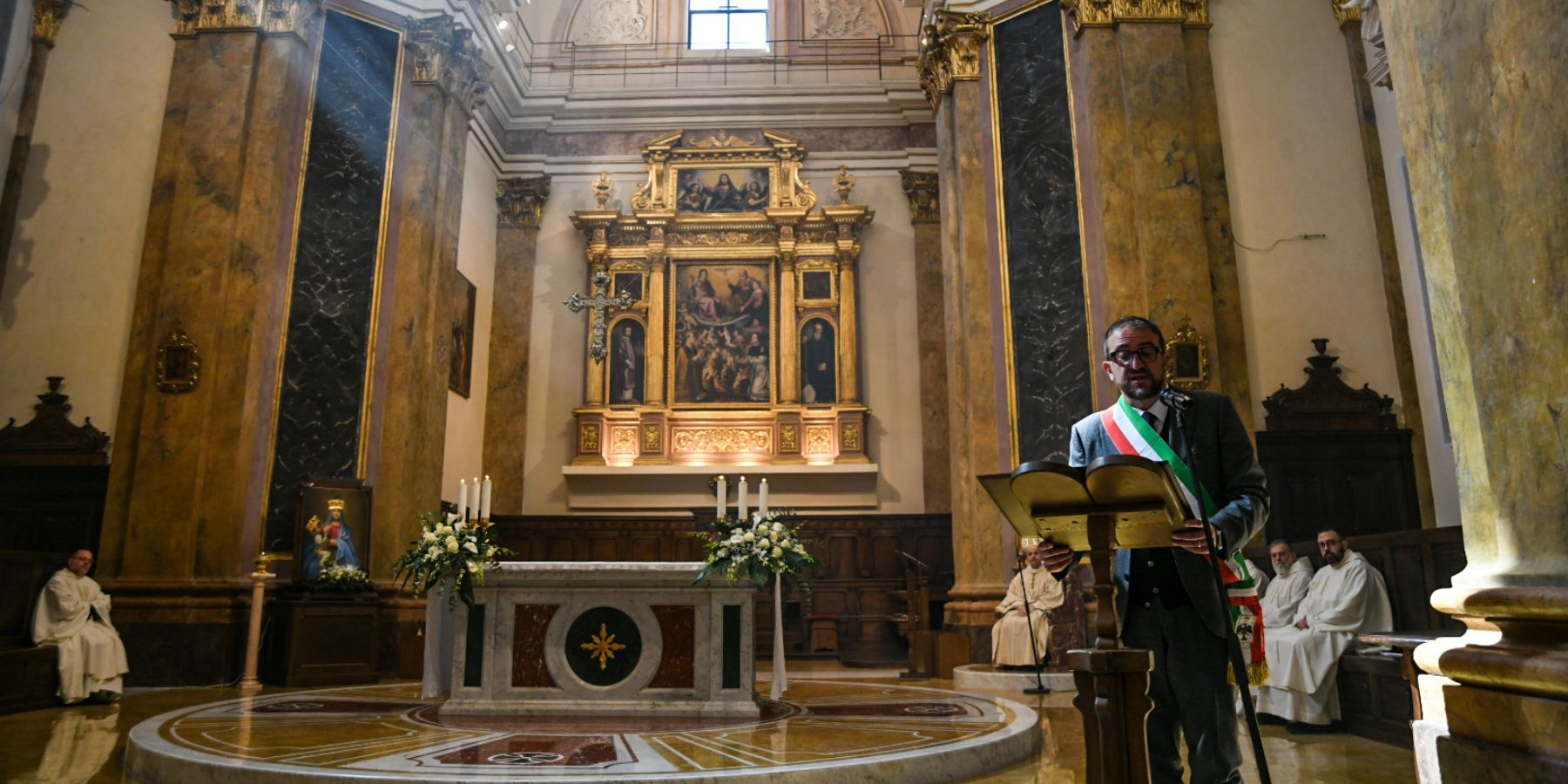
The Church of the Holy Souls: for the memorial Mass presided over by Archbishop Antonio D’Angelo.
-
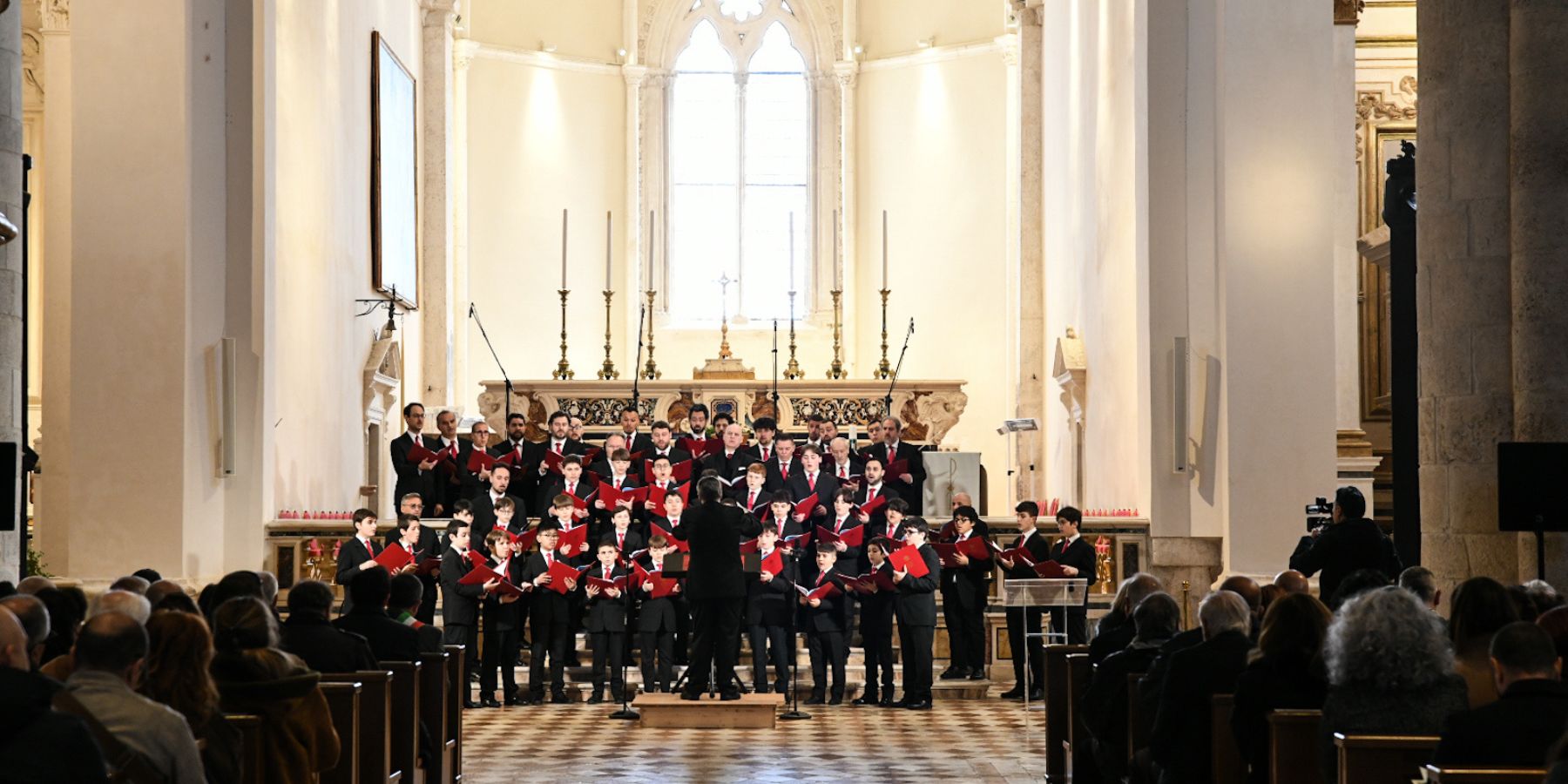
The Basilica of Santa Maria di Collemaggio: the venue for the choral event “La luce della memoria” featuring the Pontifical Sistine Chapel Choir, with Daniele Pecci as soloist and conducted by Leonardo De Amicis.
-
The Senior Citizens’ Service Center: An Intergenerational Gathering with the Young People ofthe “Orchestra Jazz che Vorrei” Jazz Orchestra.
In addition, the permanent installation “April 6, 3:32” by artist Lea Contestabile was unveiled at Palazzo Margherita; it is a gift to the city consisting of 309 symbolic elements.
“Remembering isn’t just about looking back at the past; it’s about making sense of what happened and transforming pain into a sense of responsibility. L’Aquila has started anew with determination and dignity thanks to a community that never gave up.”
Pierluigi Biondi, Mayor of L’Aquila
The Reconstruction of L’Aquila: The Numbers Behind the Rebirth
Alongside these commemorations, official data confirm that the emergency phase has ended and that the physical and social reconstruction has been successful.
-
Private Construction: 96% of grants have been disbursed for properties that have been rebuilt or are nearing completion.
-
Public Construction: Physical progress at 60%, with over 425 million euros invested and 33 projects completed in the municipality of L’Aquila alone.
-
Schools and Safety: A plan totaling over 117 million euros for 22 school construction projects. By 2026, key school complexes such as the Gignano Torretta Sant’Elia and San Sisto Santa Barbara School Complex will be completed.
A Growing City: Demographic Data and Attractiveness
L’Aquila is once again becoming a magnet for young people and residents. The population has returned to pre-earthquake levels (about 70,000), with a 15% increase in the number of visitors to the historic center since 2017.
The academic sector is also posting record numbers:the University of L’Aquila saw a 4.3% increase inenrollment, the GSSI a 36% increase, while the Academy of Fine Arts (+34%) and the Conservatory (+3%) continue to grow steadily.
L’Aquila, Italian Capital of Culture 2026: Investments
During its year as Capital of Culture, the City is investing over 16 million euros in initiatives and events. Promoting cultural sites is at the heart of this mission:
-
16th-Century Castle (MuNDA): Reopening in December 2025.
-
San Filippo Theater: Scheduled to reopen on April 17.
-
Municipal Theater: Scheduled to open in late 2026 with an investment of 14 million euros.
This effort is also supported by the government, which recently pledged one billion euros to refinance the 2009 deficit, in addition to the funds provided for under the Development and Cohesion Agreement and the ReStart program.
L’Aquila 2026 is not just a title, but the reality of a community that has managed to turn rubble into hope and hope into a future.