




How was Italian Capital of Culture 2026 born?
L’Aquila is a city that has made great strides in physical, social, and economic reconstruction, reshaping its built heritage and accumulating exceptional capital of experience and expertise on how to effectively respond to a major psychological, social, environmental, and economic shock such as the 2009 earthquake. “L’Aquila and its territory” is a unique spatial configuration precisely because of the close and reciprocal relationship that characterizes the city not only with respect to the 56 municipalities of the 2009 earthquake crater but more broadly as a city representative of an inland and mountainous area whose characteristics are defined, valued, and made meaningful by the dense network of relationships that characterizes its history and geography, connecting realities, resources, capacities, and interests that often struggle to be adequately considered in national debate and in the territorial policy agenda. In this sense, the “Charter of L’Aquila” constitutes an important point of reference as an original proposal that started from L’Aquila—the Manifesto of Cities of Inland Areas—to enhance the driving role in favor of the inland and peripheral areas of our nation that such cities, precisely because of the peculiar connections they have with their respective territories, and because of their role as fundamental laboratories for the future socio-environmental sustainability of our country, can exercise through joint planning and sharing of common experiences.
The Recovery Sound Art (RSA) project consists of four cycles of meetings, held every two weeks, to be held in the spaces of identified healthcare facilities (nursing homes and day centers) with the presentation of musical programs (Concerts) for instrument sections (Winds, Strings, Woodwinds) and in Ensemble (final Concert) during which, in addition to the classic performance, the different modes of sound production, the timbral peculiarities of the different instruments as well as their historical and organological evolution will be illustrated.
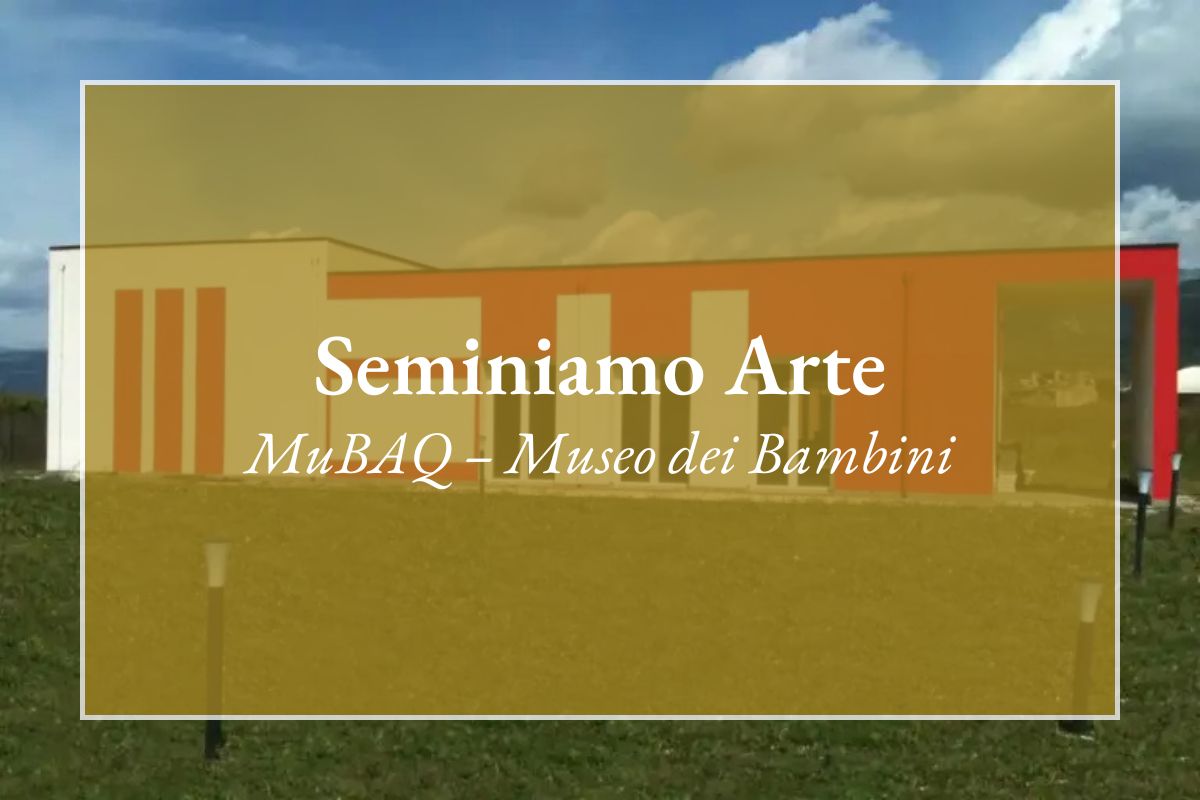
From September 3 to 7, it kicks off with the Grand Opening Gala of the Abruzzimaginarium theme park, which includes a journey through the multimedia museum for children (by reservation). In the following days, thematic workshops for children, guided tours, film screenings, and the staging of “Spectacular Show,” a musical inspired by Disney cartoons, with live orchestra and the collaboration of the “A. Casella” Conservatory of Music, directed by Manuele Morgese, are scheduled. The calendar also includes a pop music concert featuring a well-known artist from the Italian music scene and the performance of “The Little Mermaid—Hilarious Version,” a Teatro Zeta production.
Multidisciplinary event. Visual art, music, poetry, performance. All initiatives include guided tours, workshops, laboratories, and interaction with all artistic languages (music, performance, poetry, video art).
The initiative “L’AquilArthe: the person at the center,” organized by the “Alfredo Casella” Conservatory of Music, presents the International Week of Arts Therapies, a program of events, initiatives, and workshops open to the public and led by students, trainees, alumni, and faculty. The activities will offer opportunities for discovery, participation, and discussion on the various artistic practices applied to personal well-being.
The program also includes the International Music Therapy Conference, which will bring together national and international experts to explore the themes of training, clinical practice, and research in music therapy and arts therapy, through keynotes, roundtables, and activities open to the community.
The initiative represents an important opportunity for dialogue among institutions, communities, and the research world, with the aim of enhancing the role of arts therapies in the culture and health of the territory.
The Project Music To-Form – Dialogues between sounds, words and new cultural frontiers by the Società Aquilana dei Concerti “Bonaventura Barattelli” presents a series of informative meetings in which renowned speakers will address the topics of the relationship between literature and music and, more generally, the encounter between music and other disciplines, in keeping with the characteristics of Multidisciplinarity and L’Aquila Multiverse City. Presentations focused on the relationship between Music and Humanity in relation to new technologies and Artificial Intelligence are also planned. The Music To-Form appointments, distributed throughout 2026, will constitute a true educational journey for the public. The meetings will be held at the Cultural Laboratory of Palazzo Di Paola, on Corso Vittorio Emanuele II, 95, headquarters of the Società Aquilana dei Concerti “Barattelli,” in the historic center of the city, starting at 5 PM. They will be broadcast live on dedicated platforms to allow the widest participation.
The project, which cannot disregard the enhancement of the city’s very rich private heritage with a non-occasional but organic vision of such heritage, aims to create a physical and programmatic “platform” for the enjoyment, knowledge, enhancement, and ideal recovery of L’Aquila’s historic palaces through extraordinary openings and related events. The locations are, in general, the historic palaces and residences of L’Aquila, including: Palazzo Nardis, Oratory of Sant’Antonio dei Cavalieri de Nardis, Palazzo Pica Alfieri, Palazzo Dragonetti, Casino Branconio, Palazzo Alessandri-Natellis, Palazzo Carli-Benedetti, Palazzo Fiore, Palazzo Chiarizia, Palazzo Bonanni-Cipolloni, Palazzo Lucentini Bonanni, Palazzo Cappa, Palazzo Rivera.
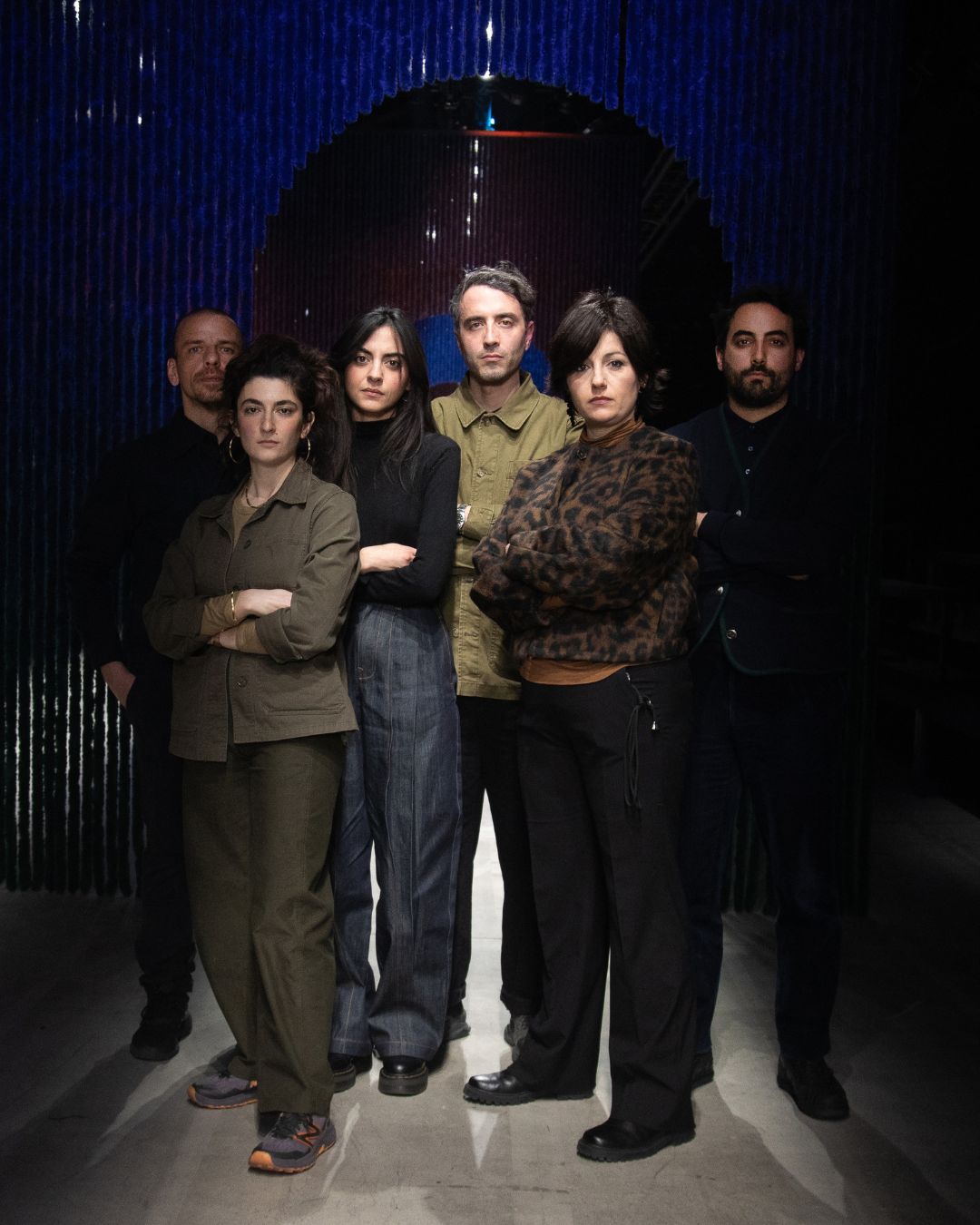
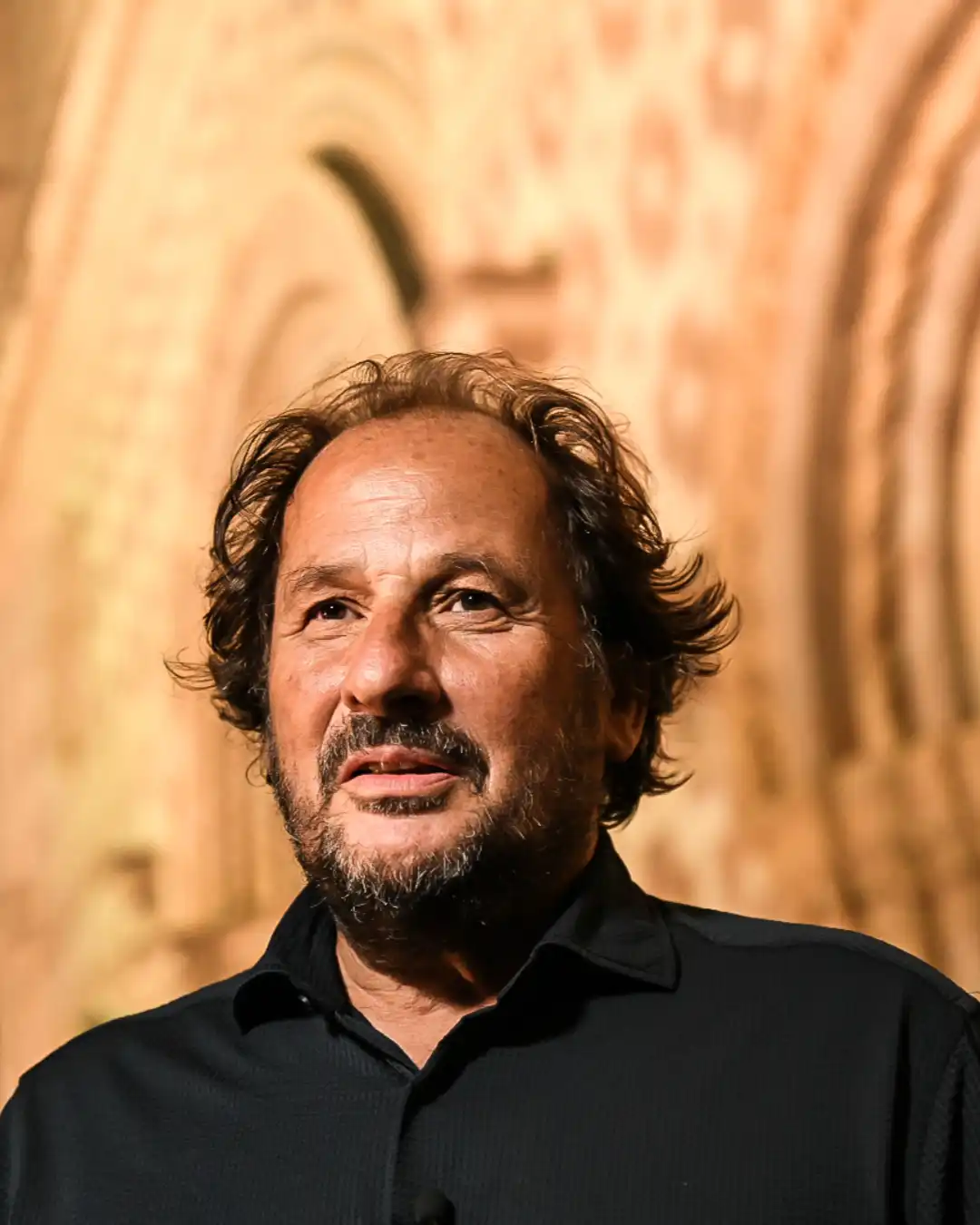
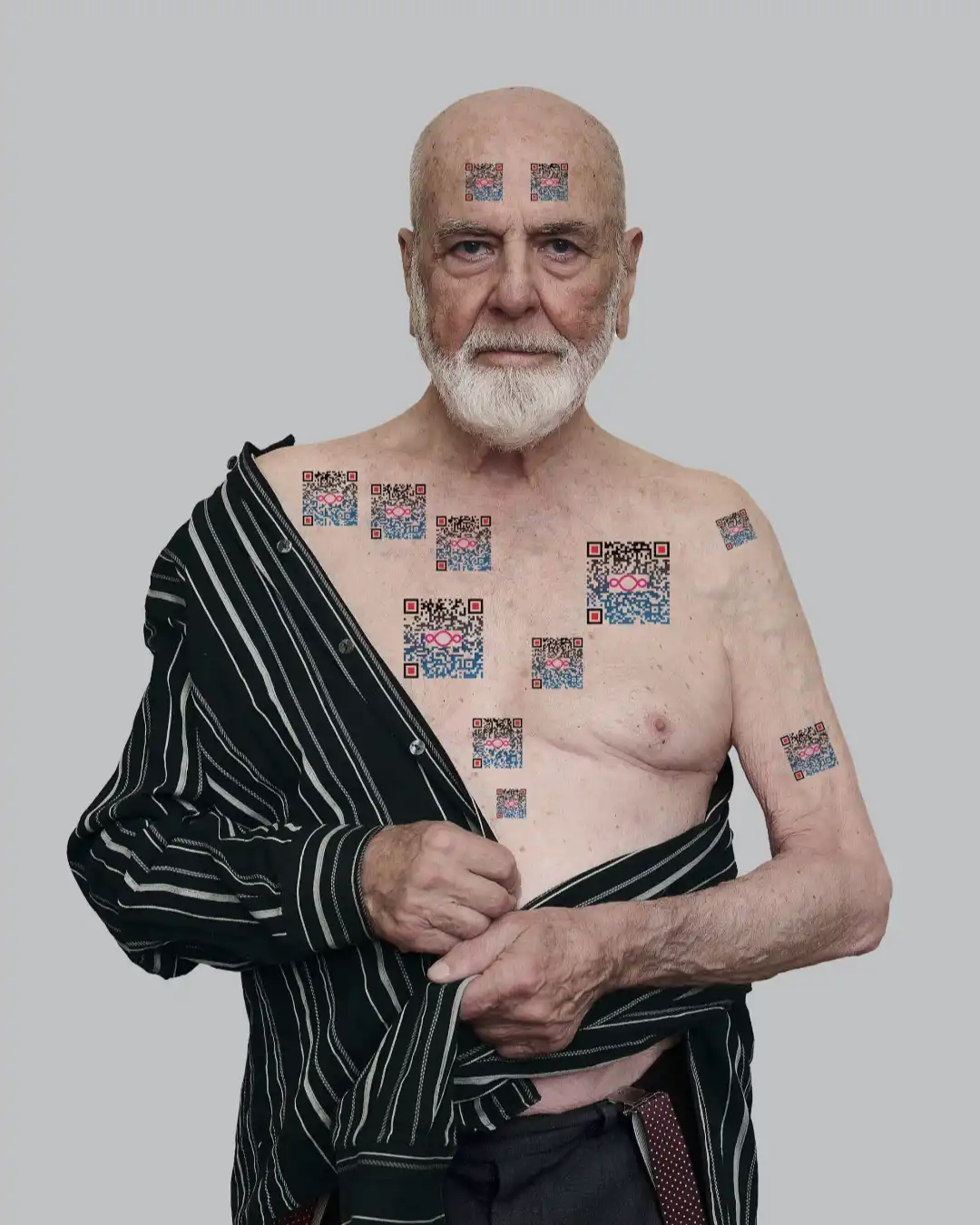
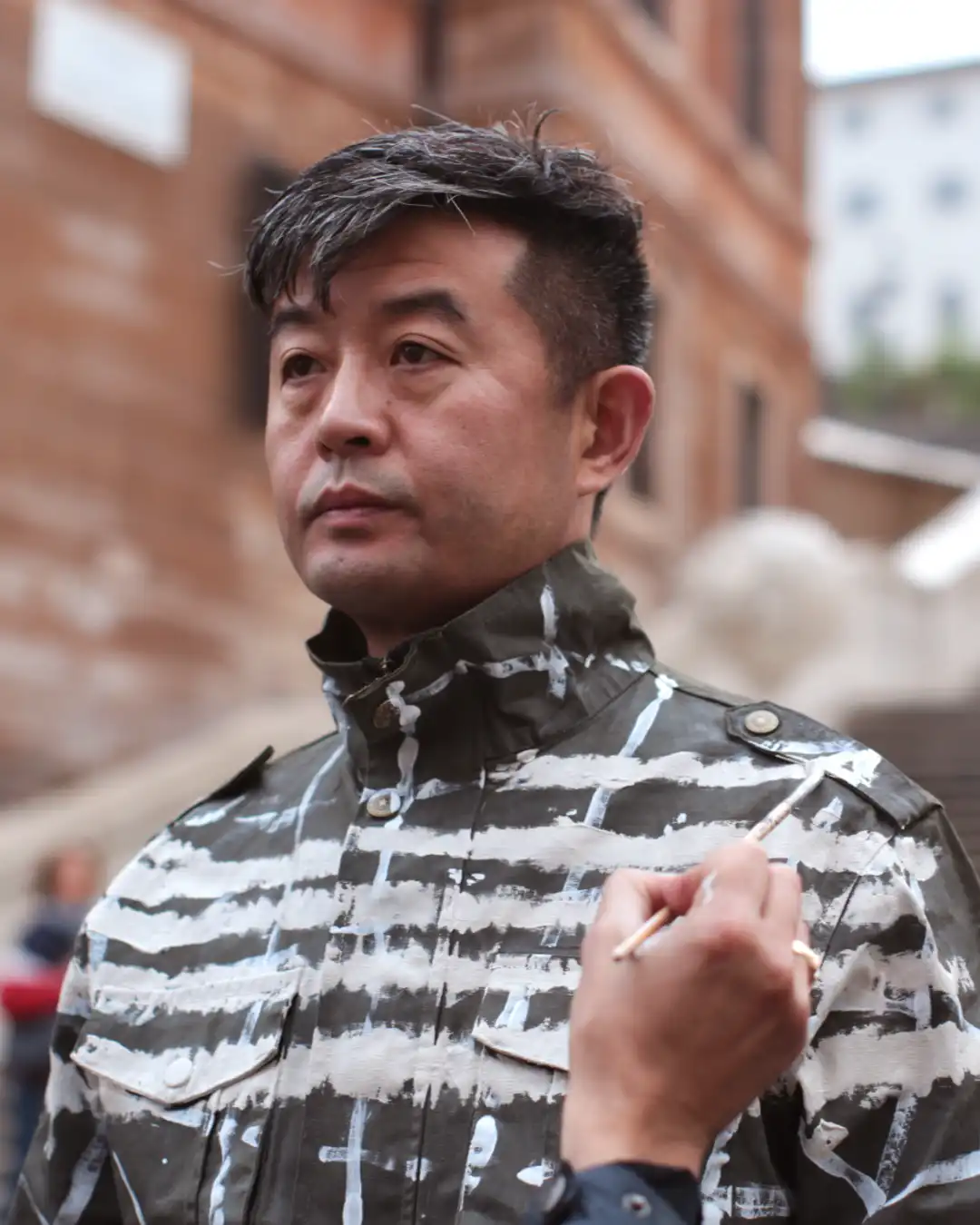
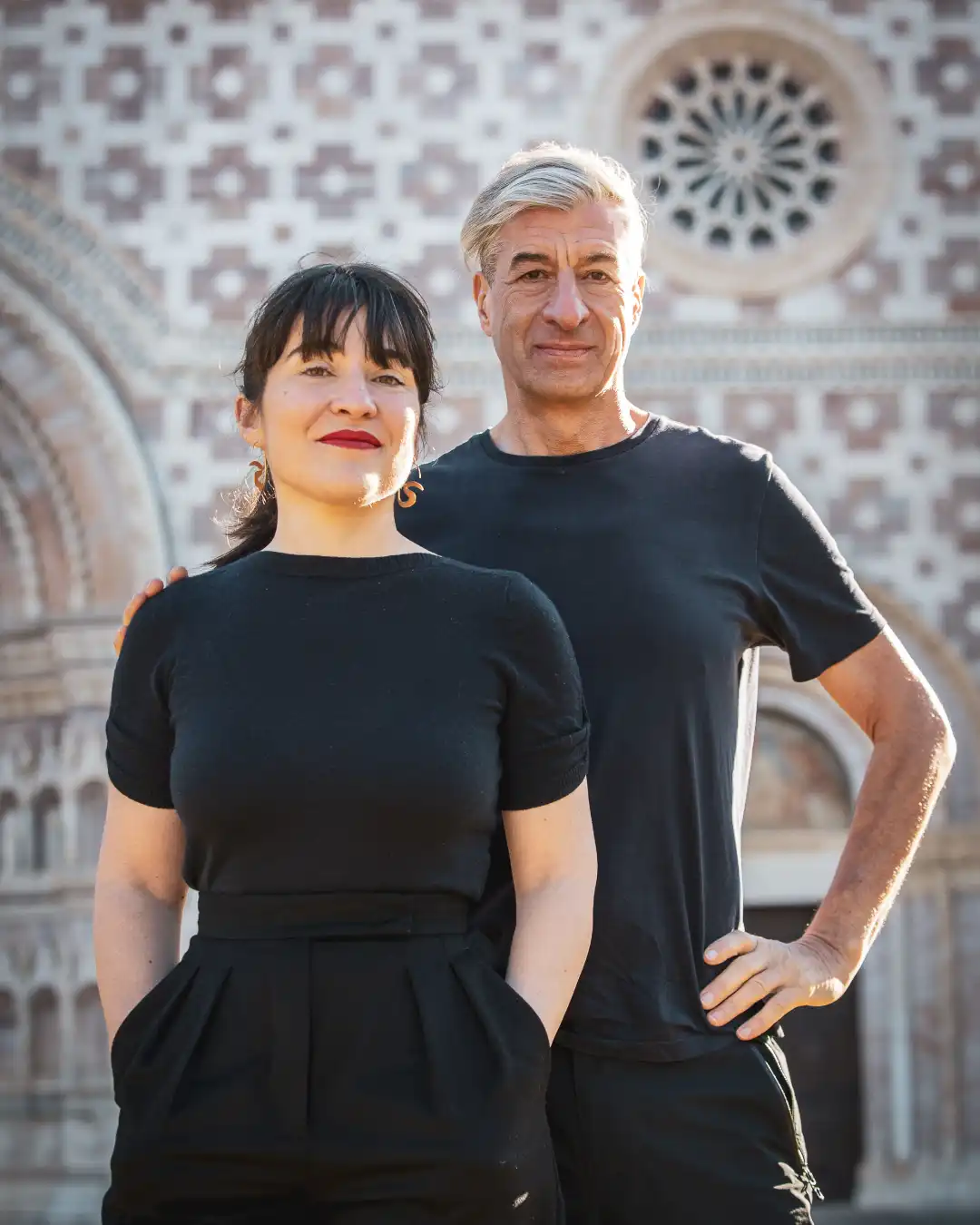
Throughout 2026, the artists Numero Cromatico, Sara Ricciardi, and Giuseppe Stampone will be hosted in residence in the city. The artists will lead workshop meetings for different groups of citizens, in a participatory workshop dynamic connecting contemporary creativity and the community. The city will therefore be invited to take part in the creative process and will have the opportunity to engage with the work of artists of absolute international standing. The work generated by the relationship between the artist and the community will then be acquired by the city and will remain permanently as testimony to a shared dialogue, a collective journey, and a cultural legacy that enhances the territory and enriches its artistic heritage.
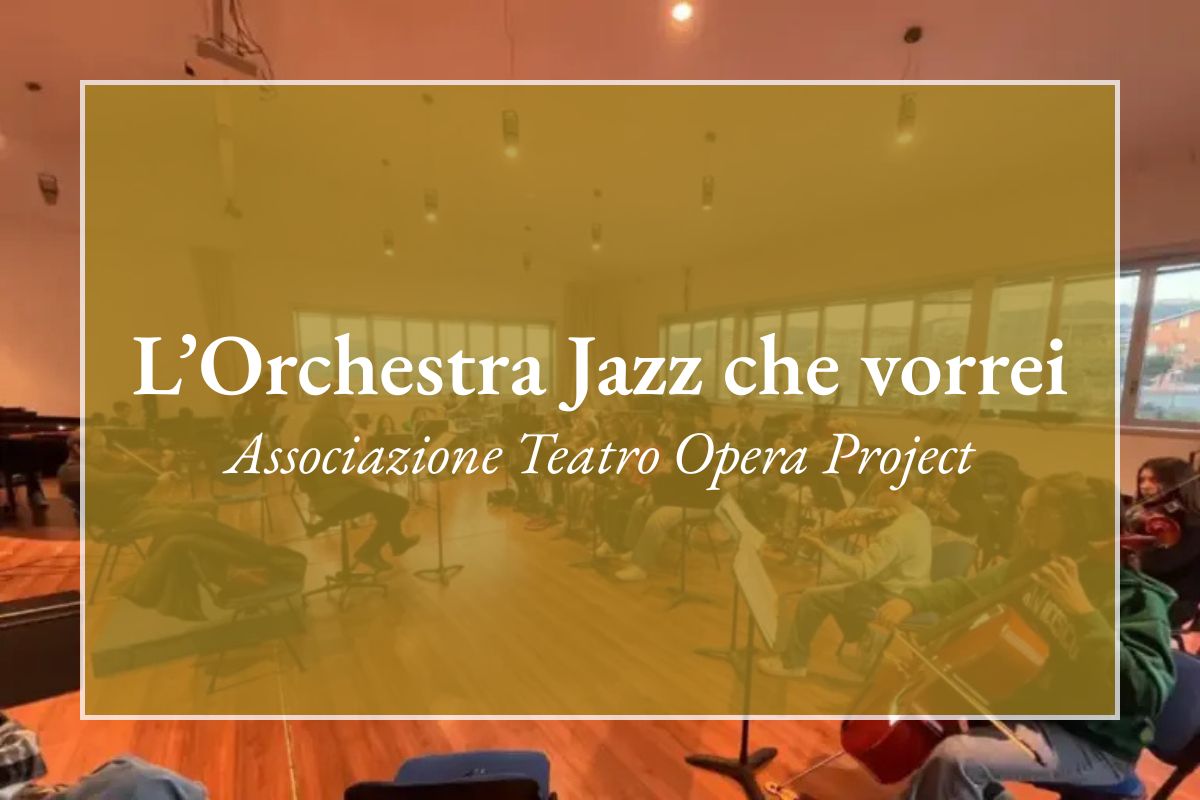
The project “The Jazz Orchestra I Would Like L’Aquila – Notes in the Multiverse” involves the creation of a musical journey during the 2025-26 school year aimed at boys and girls from primary and lower secondary schools in the Municipality of L’Aquila and neighboring municipalities, with particular attention to those from disadvantaged backgrounds. Through cooperative learning and peer tutoring methodologies, ensemble music workshop activities, and meetings with professional musicians, the project aims to promote social inclusion, creativity, and combat educational poverty—values typical of jazz music. The project awards 8 scholarships to the most deserving students and alumni of the Conservatory itself.
“All the Necessary Superfluous” is a multidisciplinary cultural initiative promoted by the RICORDO Social Promotion Association, designed to bring back to the center the value of imagination, irony, and creativity as fundamental tools for rediscovering meaning, lightness, and awareness in everyday life.Through theatrical performances and workshops aimed at children, teenagers, and adults, the project explores different languages—from humorous philosophy to illustrated stories, from stand-up comedy to puppet theater, to participatory scenic creation—offering moments of play, reflection, and shared discovery.
The project, through special formats and unprecedented modes of enjoyment, explores the reappropriation and “re-signification” of city spaces as a collective response to trauma. An experience that invites deep listening, transforming the city into a place of imagination and shared transformation. The first intervention, scheduled at the Alfredo Casella Conservatory, consists of a residency between an international artist, a local/national artist, and the Institute’s students, invited to reflect on the theme Dream/Sleep through a musical composition with public presentation that will take place at the Shigeru Ban Auditorium. The second moment takes place in a context of strong symbolic value, guardian of historical memory and witness to reconstruction: the Basilica of Santa Maria di Collemaggio. The event will be held at night and the concert will invite an immersive listening experience.
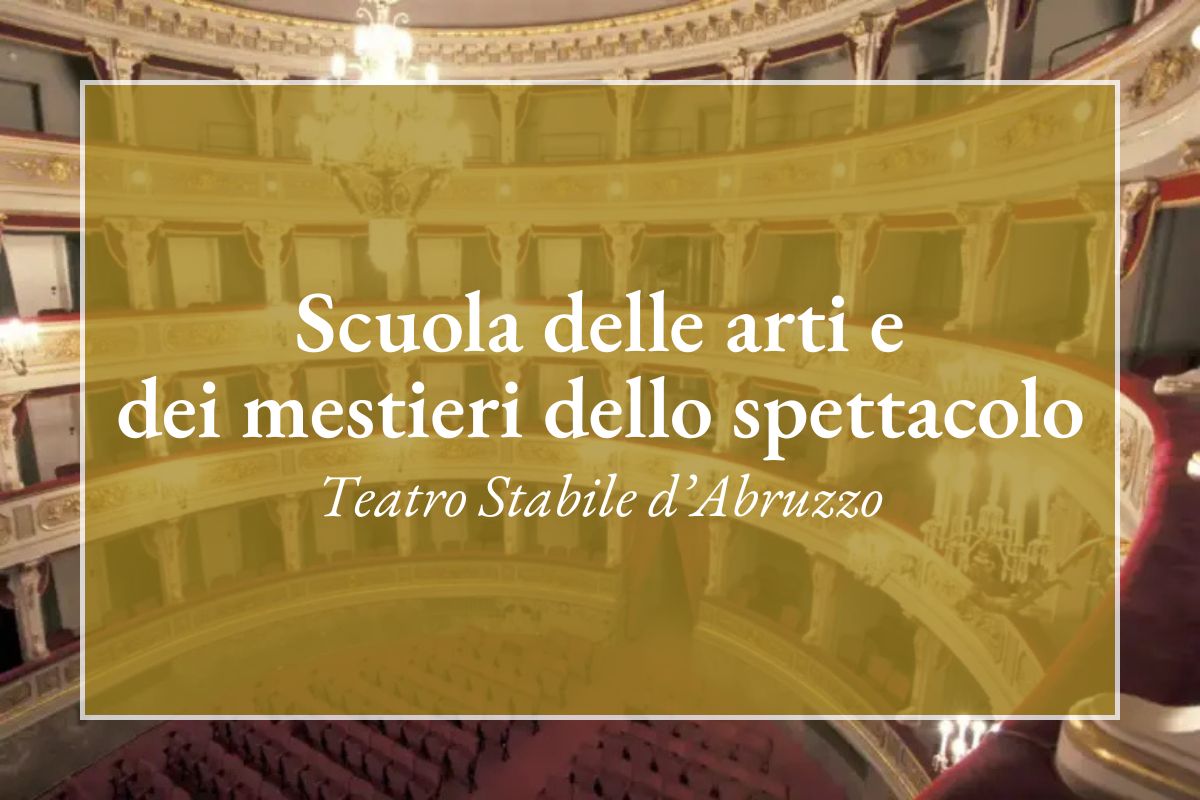
The School of Performing Arts and Crafts aims to become a permanent study center capable of providing useful tools for the careers of talented young people with high-quality teachers and hands-on work experiences, differentiating skills and aptitudes to train the new protagonists of upcoming cultural seasons, starting from basic introductory courses, including teaching for the very young, up to specialization and advanced training. Four pathways have been identified: Organization, Production and Marketing of stage productions, Show Design, Sound technique and audio engineering, Stage technology and theatrical machinery.
Artists for Matta – Pescara, with the scientific coordination of the BACH Center – Bio-behavioral Arts and Culture for Health, Sustainability and Social Cohesion of the “G. d’Annunzio” University Chieti-Pescara, presents Pre-Texts / Geographies of urban creativity, a project that integrates two cutting-edge methodologies in the field of education and performing arts.
The project combines the Pre-Texts methodology, created by scholar and pedagogue Doris Sommer — professor at Harvard University and director of the Cultural Agents Initiative — with the practice of artist Alessandro Carboni and his Embodied Map Tools (EM Tools) method, which uses the body as a tool for exploring and mapping urban space, translating perceptions and observations into actions and performative sequences. The integration of the two approaches aims to strengthen cultural participation in city life, promoting knowledge of local heritage and fostering processes of active citizenship and social cohesion.
The journey is structured in four progressive phases. The first, from April to early June, is dedicated to teacher training at the Andrea Bafile High School, to transmit the Pre-Texts methodology and prepare for the subsequent involvement of students. The second phase, from October to late November, brings the Pre-Texts workshop to students of the scientific and artistic high school, who experience the different phases of the protocol. In the third phase, directed by Alessandro Carboni, students from the Bafile are joined by students from the Academy of Fine Arts of L’Aquila to develop a practice of bodily cartography and collectively build a performative map. The project concludes in the first week of December with a performance and final installation in the city’s urban spaces, in which the places of L’Aquila and their inhabitants become active protagonists of a shared creative space.
Innovative cultural project based on civic activation, artistic co-design, and the construction of new connections between local communities and national and international networks. The project is structured around three pillars:
– creation of a community of practice that will lead to territorial activation through civic design workshops based on the method of demopraxis—a practice already tested in national and international contexts—involving associations, entities, cultural and social enterprises in a participatory process structured in three phases: mapping, forum, workshop;
– a multidisciplinary Public Program, coordinated by the community of practice that will activate to systematize a series of events, performances, conferences, and temporary exhibitions, designed to enhance local artistic and social heritage, generate opportunities for cultural operators in the territory, and offer a critical and creative reading of the L’Aquila context through contemporary artistic languages;
– The Third Paradise installation (temporary), a living symbol of the process of cultural, social, and ecological regeneration, which will accompany the entire year of cultural programming, connecting the local to the global and fostering new visions of balance between people, environment, and society.
One of the central moments of the project will be the Forum, which may last one or more days and will include public activities dedicated to the theme of art as an engine of urban regeneration: days of open discussion between local realities and national/international guests for the collective drafting of a cultural “manifesto,” events, open ateliers, and exhibitions throughout the city.
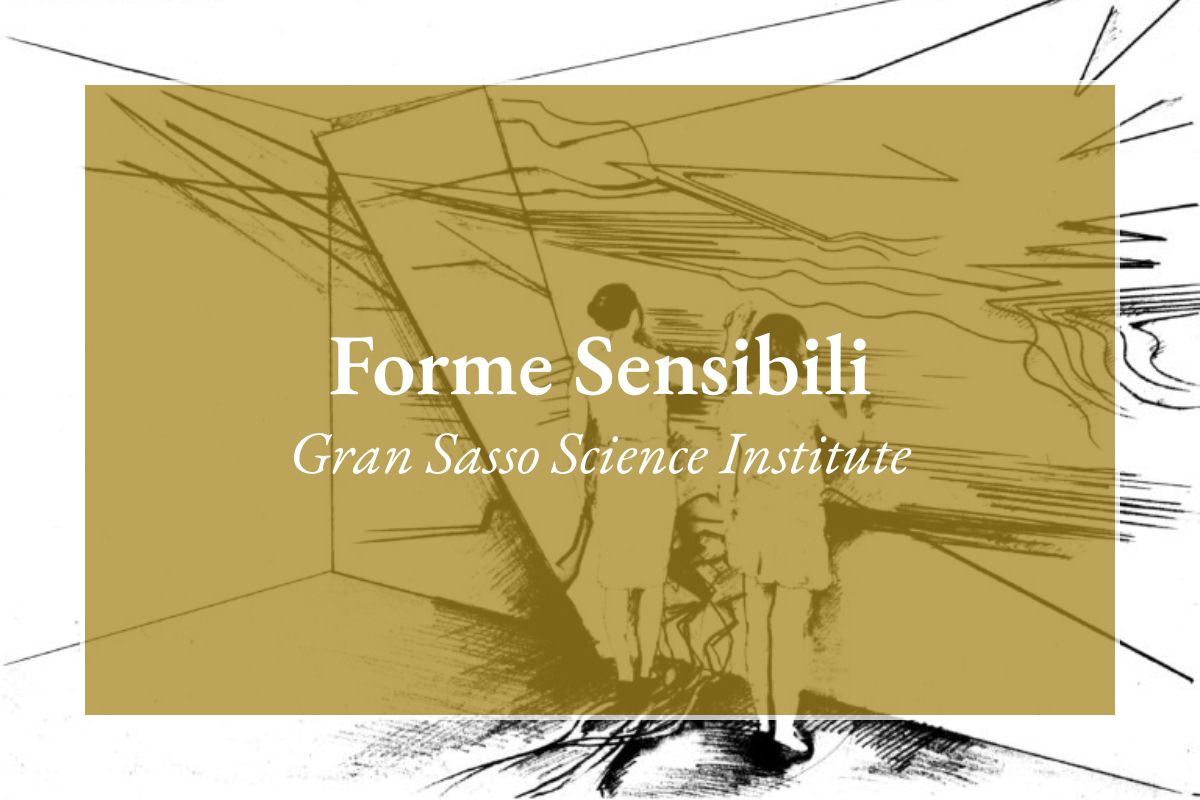
“Sensitive Forms” is a permanent adaptive sculptural-musical work that interacts with the public and uses scientific research in computer science and Artificial Intelligence to offer sensory stimuli involving touch, vision, and hearing. The work, site-specific, is created with criteria that facilitate access and interaction with vulnerable people. The inauguration will consist of two distinct moments: a concert and the official opening with free public interaction. In the concert, some young soloists from the L’Aquila Conservatory of Music will perform by musically interacting with the work and creating an intense symphony that expressively relates the sounds of real instruments and the virtual sounds generated by the sensitive forms of the work. The second moment will include, first, a brief presentation of the conceptual aspects, modes of interaction, and technical and scientific characteristics of the work, curated by the artists and GSSI researchers, and subsequently, the official opening to the public who, through their tactile gestures on the forms, will generate constantly evolving music. The work will be hosted at one of the GSSI locations, free admission. In addition, study meetings will be organized, appropriately divided by age groups and interests, aimed at deepening the expressive aspects, technical and scientific characteristics of the work with reference to the relational and environmental themes that affect our civilization.
Stories to Start Again is a festival of site-specific and itinerant eco-sustainable theater, where performances take place at sunset, without electrical equipment or invasive scenography in various sites of cultural, architectural, and landscape interest. A way to discover or rediscover the beauties of the territory through the lens of theater, dramaturgy, and performing arts. The initiative proposed for L’Aquila represents a spin-off of the festival which, due to its technical characteristics, is modular, scalable, and replicable in different types of contexts.
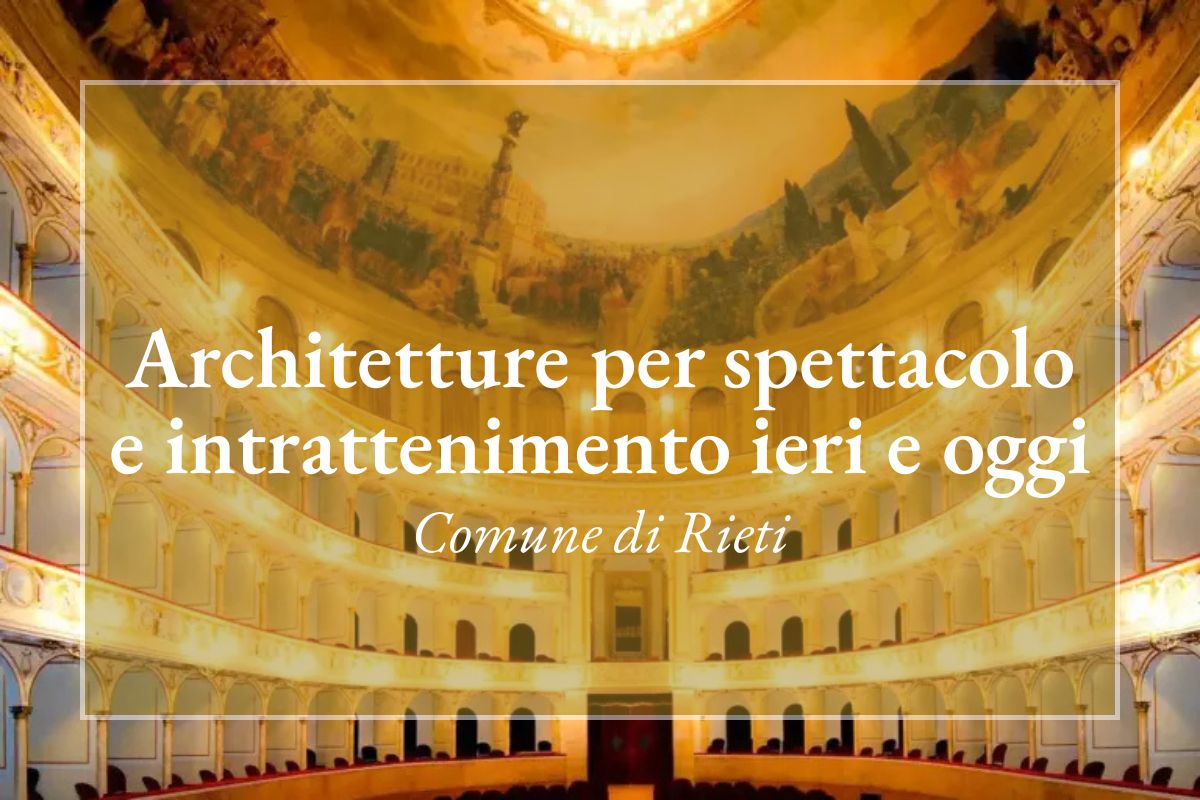
The project intends to focus attention on particular categories of buildings that characterize the cities of Abruzzo and Lazio: entertainment buildings. This particular category of buildings, since ancient times, seems to have had a special role in society, manifesting a particular relationship between the population and central and local power. The project includes in-depth and performative activities in ancient and modern entertainment buildings scattered between the provinces of L’Aquila and Rieti (amphitheater of Amiternum, amphitheater of Trebula Mutuesca, Flavio Vespasiano theater in Rieti) with particular interest in ancient female cults attested mainly in Luco dei Marsi, S. Anatolia di Borgorose, S. Angelo di Civitella di Pescorocchiano, S. Vittoria di Carsoli, the so-called Baths of Cotilia in Cittaducale, S. Vittoria in Monteleone Sabino, Lucus Feroniae in Capena.
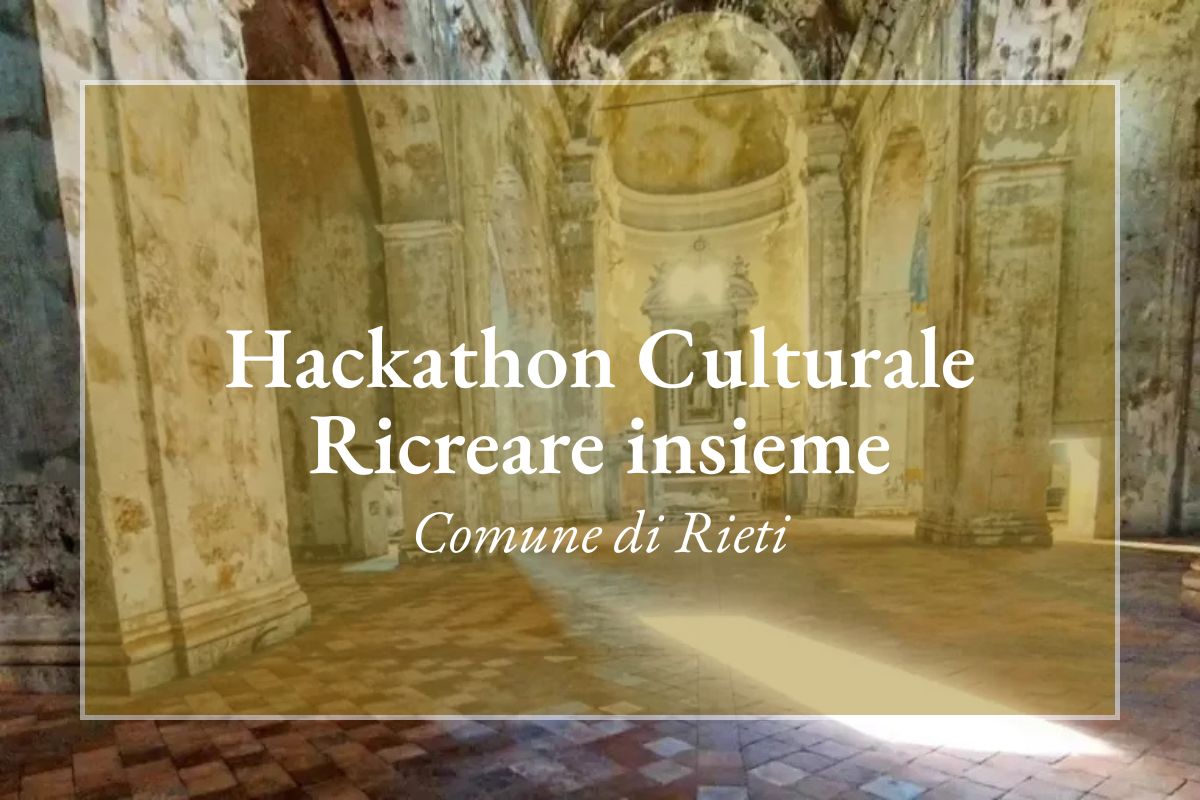
The cultural Hackathon is a 3-day creative marathon for under-35s on new technological solutions applied to culture. For the co-design of spaces, participatory co-design meetings will be organized to regenerate abandoned places. Emblematic is the redemption of highly identity-defining buildings that will be the subject of recovery such as the church of Sant’Antonio Abate and the old hospital, destined to be the heart of the new university city. The young generations of Rieti will compete in cultural hackathons for innovative solutions that will see citizens co-design the regeneration of unused spaces. Civic engagement programs will activate residents and training courses will disseminate cultural production skills for the creation of digital platforms that will allow collaborative simulation of urban interventions. The civic engagement process will lead to the creation of an online platform to propose and vote on ideas and basic cultural services and create 3D models of urban and architectural interventions. For skills training, pathways will be activated to acquire abilities in the production, communication, and management of cultural activities in relation to the project funded by the PNC for the section dedicated to the widespread museum and the audiovisual and film post-production center. In this constellation will also be included a Contemporary History Competition with the “Ugo Spirito – Renzo De Felice” Foundation and Cultural Fridays at the restored Reading Circle with cultural associations and more.
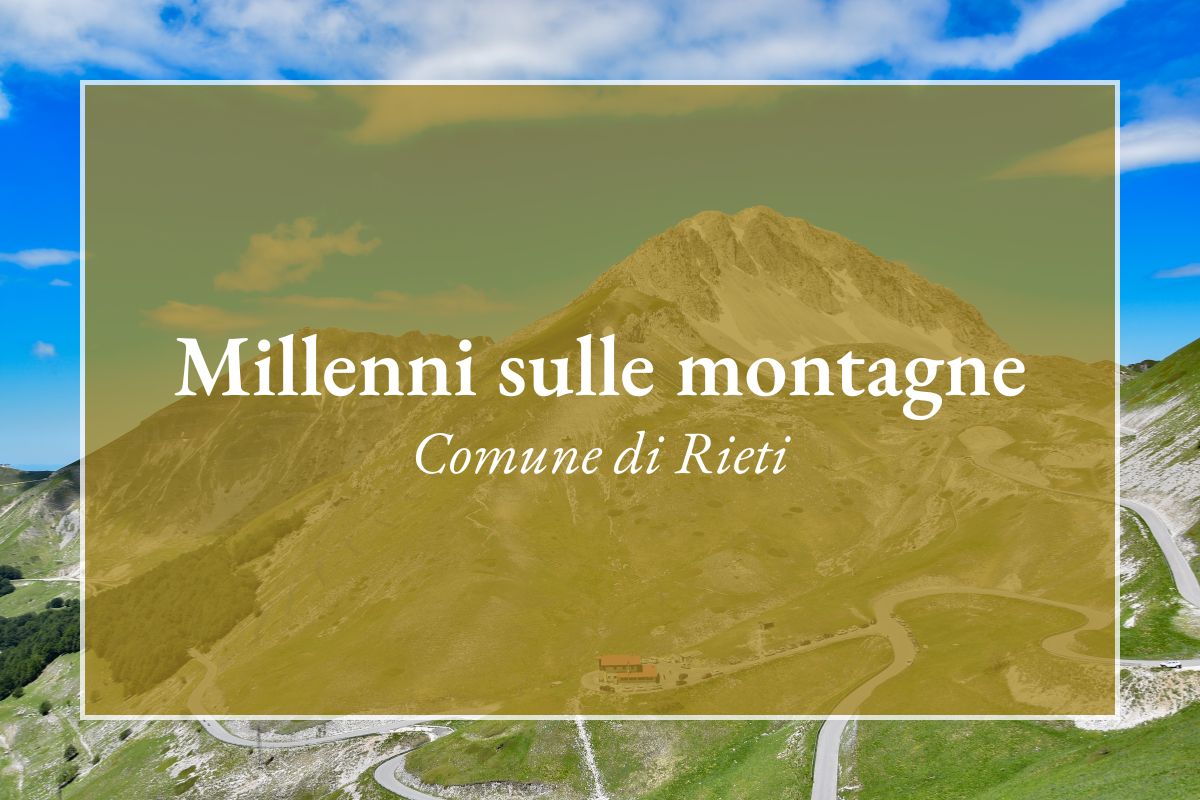
This project aims to promote and make known the territory of Rieti through routes that can be traveled on foot, on horseback, and by bike. The objective is to discover the archaeological and environmental heritage through soft tourism routes, with guided accompaniment on archaeological and archaeological-naturalistic paths. The proposed itineraries will lead to the discovery and knowledge of those sites and landscapes included in a niche itinerary of the Grand Tour. A class of particular travelers, driven by a specific interest in the history of local communities, medieval monuments, and the minor geography of areas unexplored by usual itineraries. Points of particular attraction will be the sites with monumental terracing in polygonal work, which will lead to the discovery and knowledge of those minor places of the inland areas of the Grand Tour (Alba Fucens, Bocca di Teve, S. Martino di Torano, S. Maria delle Grazie, Nesce, S. Angelo di Civitella and Alzano di Pescorocchiano, Grotte di Torri), whose remains are still visible but were then documented with drawings sometimes never published.
The Municipality of Rieti has signed an agreement with “La Sapienza” University and the “Domenico Petrini” association in order to disseminate and enhance the ancient history of the entire provincial territory through archaeological discoveries. The project takes its name from a very ancient ritual practiced especially by the populations of central Apennine Italy and which forms the basis for the creation of the origin myths of these peoples. Sabine mythology and the “Ver Sacrum” contain themes only apparently ancient that require reflection on the contemporary world (environmental sustainability, migrations of peoples, wars, religious faith, etc.). The project includes educational activities mainly in the winter period, theatrical performances in the spring-summer period. The latter, in particular, intend to tell the “Ver Sacrum” through a show created specifically to facilitate understanding of such complex themes through a more accessible and sensory language. The different versions derived from a single script can be performed from time to time in different places and times.
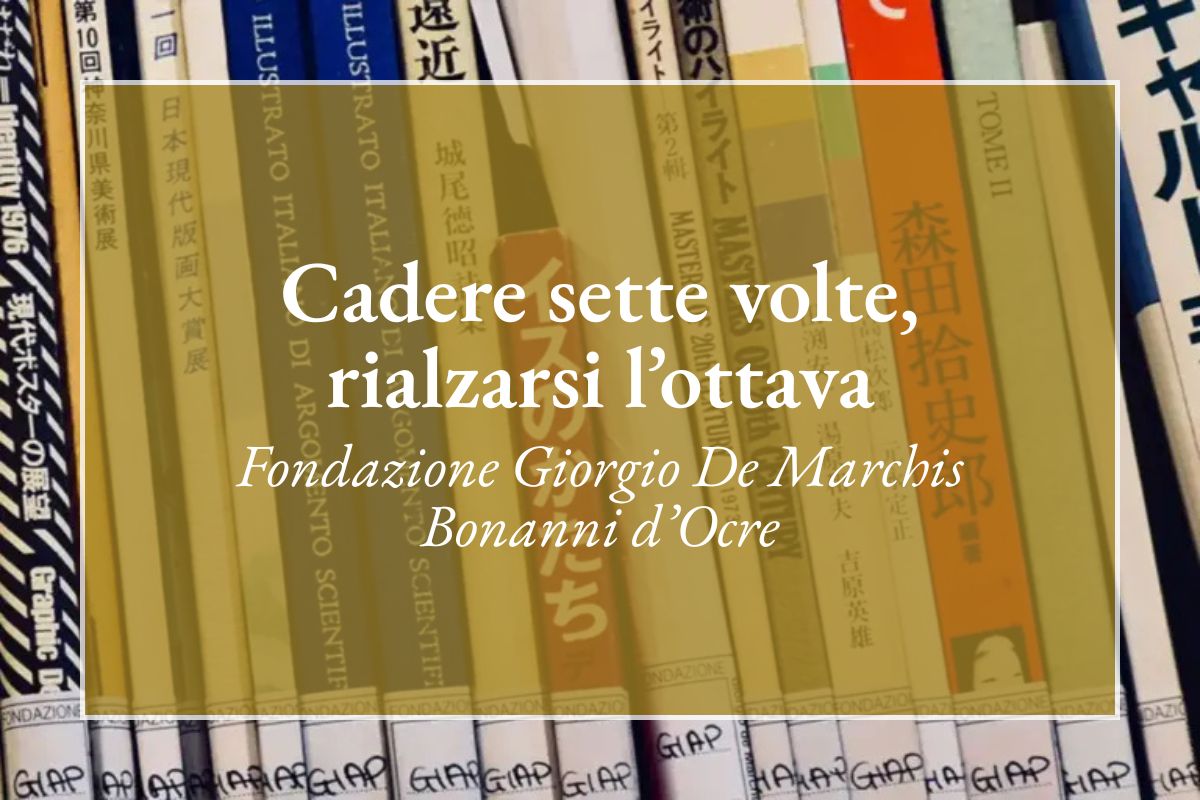
The event aims to enhance the relationships that the L’Aquila territory has with a distant but similar land: Japan. Historically, these lands find themselves dealing with a natural and frightening phenomenon, the earthquake. Punctually, both the Japanese island and the mountainous L’Aquila territory have had the strength to return to life and rebuild. These experiences testify that precisely from pain and destruction one can and must start again, as kintsugi teaches. Repairing cracks and doing so with gold means highlighting them, making them visible with the golden beauty of the mark: pain is not hidden, it is traversed and traces are left. But it is not only the earthquake that unites the two countries. L’Aquila gave birth to Giorgio de Marchis, protagonist of Italian cultural life, he was inspector and then superintendent of the National Gallery of Modern Art in Rome, art historian and critic, director of the Italian Cultural Institute in Tokyo in two terms for fifteen years. Precisely because of de Marchis’s proximity to Japan and its culture, the Foundation has chosen to dedicate a first part of the project to Nō Theater, thanks to the participation of intellectuals and artists from the Italian-Japanese area, and subsequently an exhibition to the artist Shu Takahashi, a way to enhance the relationship between two men who represent the two cultures with their respective languages. De Marchis and Takahashi shared, in addition to a deep friendship, a great passion for art and a sincere love for the two lands that united their lives. The Foundation proposes a selection of works from its Collections, enriched by loans from private collectors and public institutions.





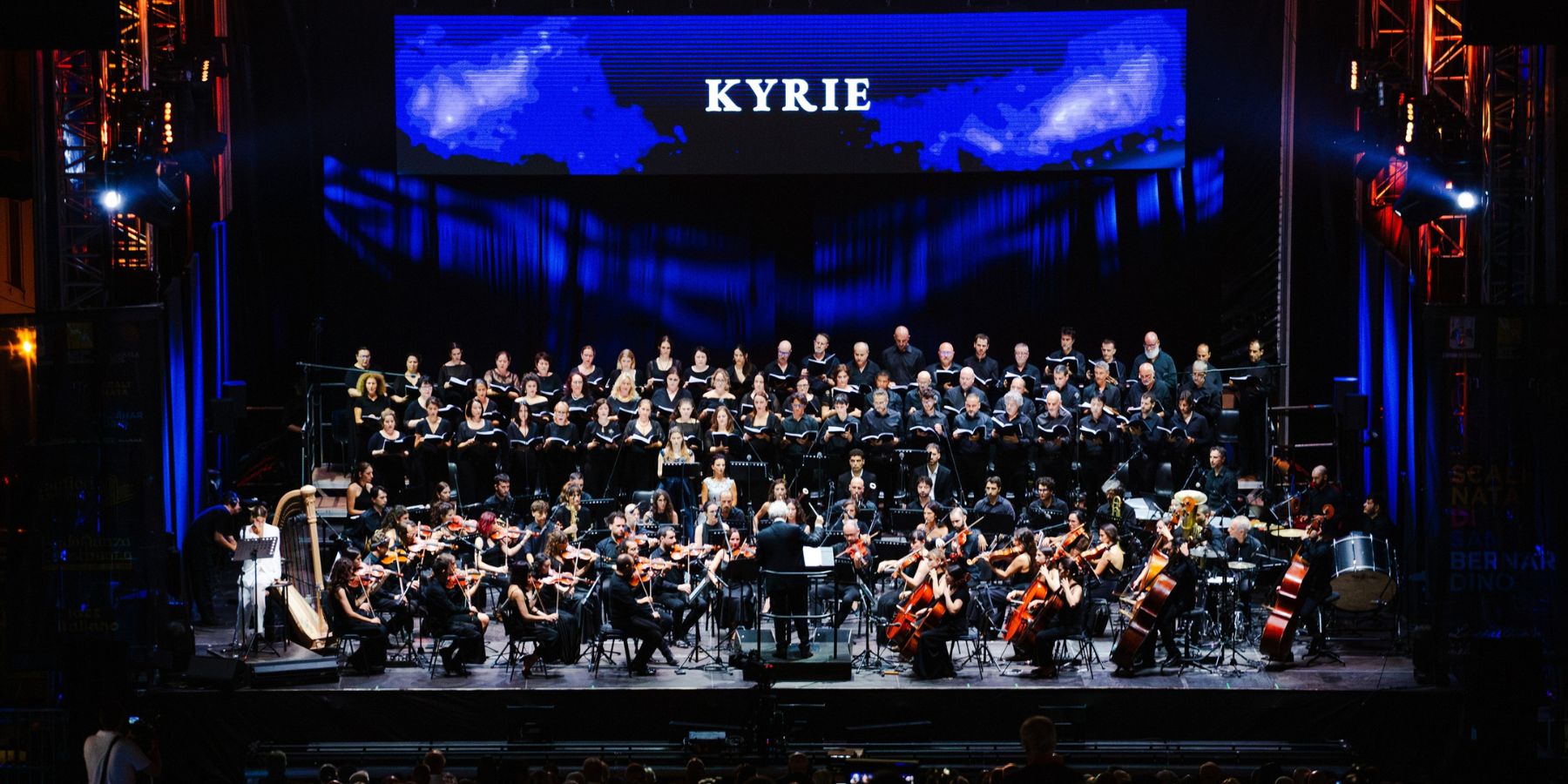
Nicola Piovani’s “Missa Pro Pace” will air on RAI 5: Thursday, July 23, at 9:19 p.m., with a repeat on Sunday, July 26. Also available on RaiPlay
The world premiere of Nicola Piovani’s “Missa Pro Pace”—performed on July 18 at the San Bernardino Staircase in L’Aquila in…
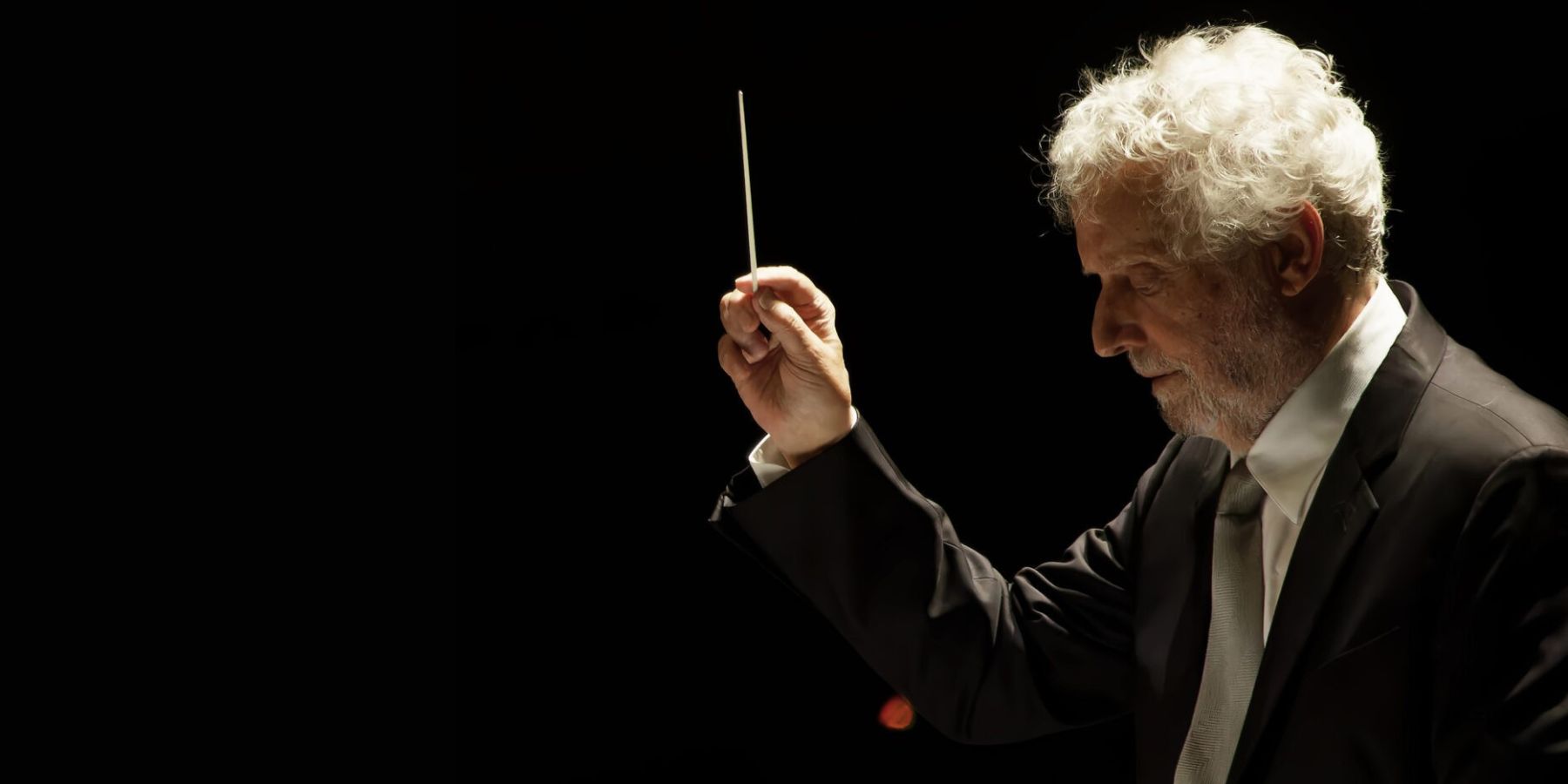
World Premiere: Nicola Piovani Conducts His “Missa Pro Pace” in L’Aquila on July 18 with the Choir of the Accademia di Santa Cecilia and Barbara Ronchi
On Saturday, July 18, 2026, at 9:30 p.m., at the Scalinata di San Bernardino in L’Aquila, one of the year’s…
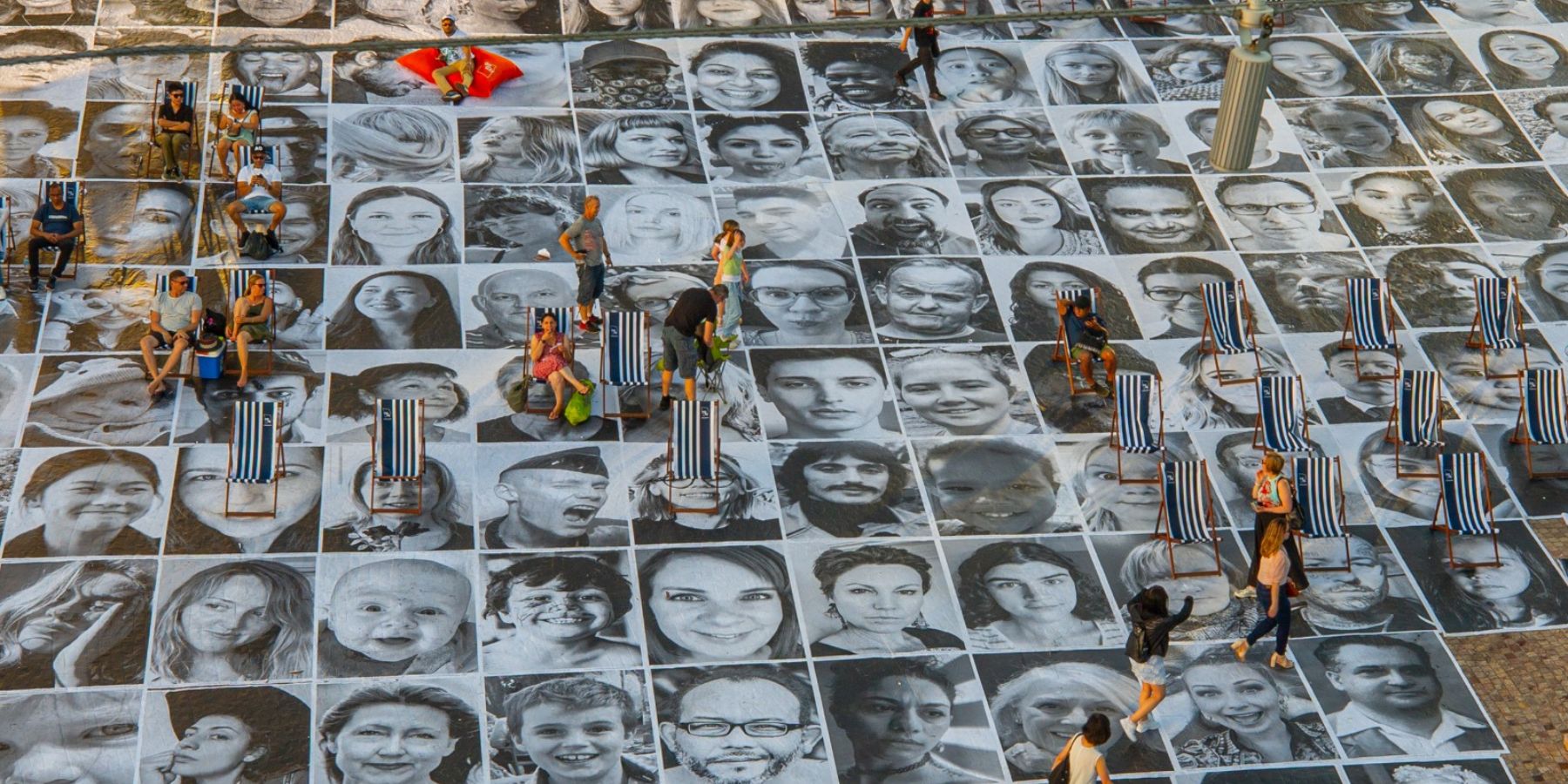
JR’s “Inside Out” comes to Piazza Duomo in L’Aquila: 2,000 portraits of local residents from July 11 to 15. Saturday night will feature lights, music, and projections
The 2,000 faces of the residents of L’Aquila and the areas affected by the 2009 earthquake come together in Piazza…
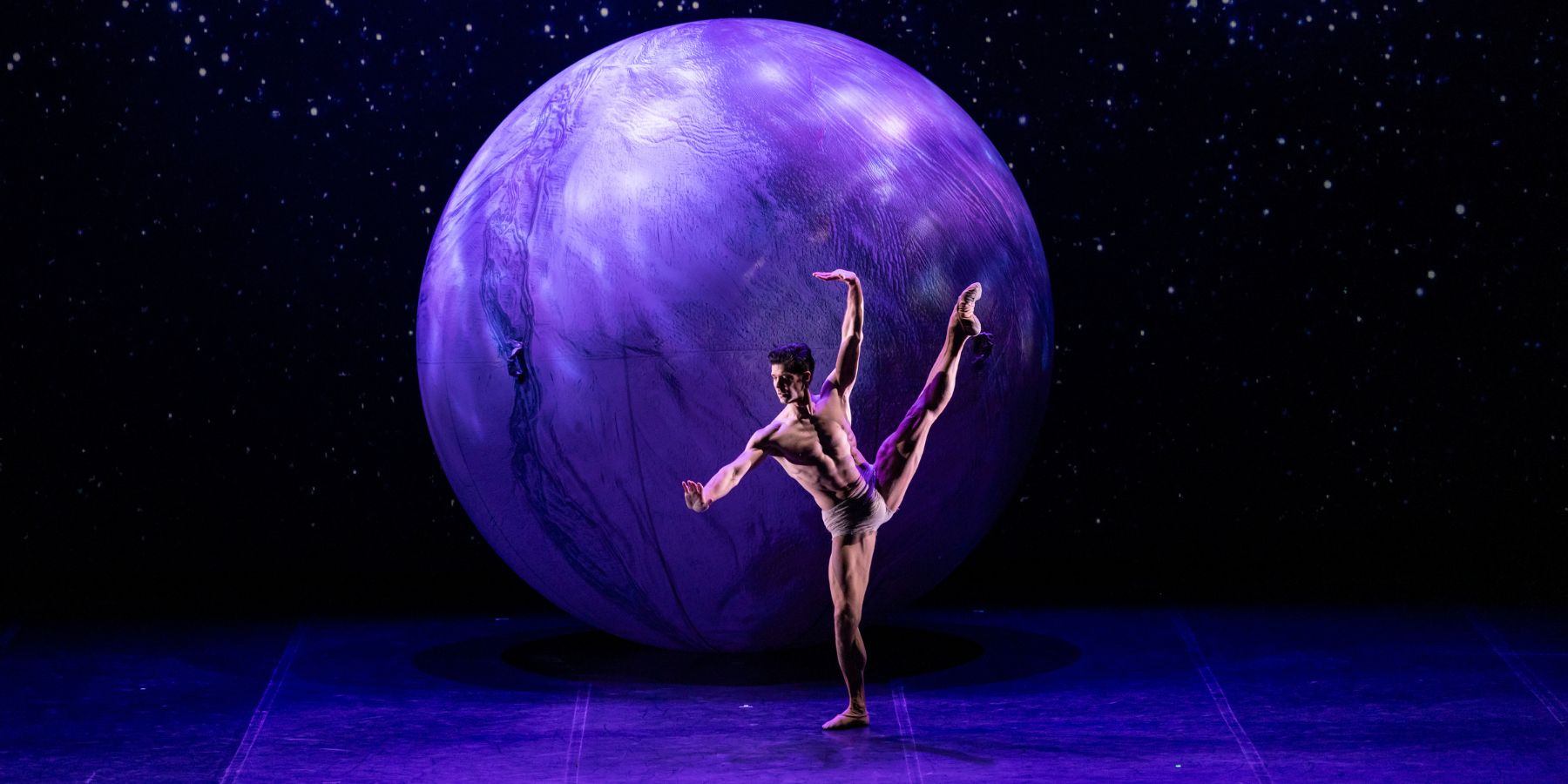
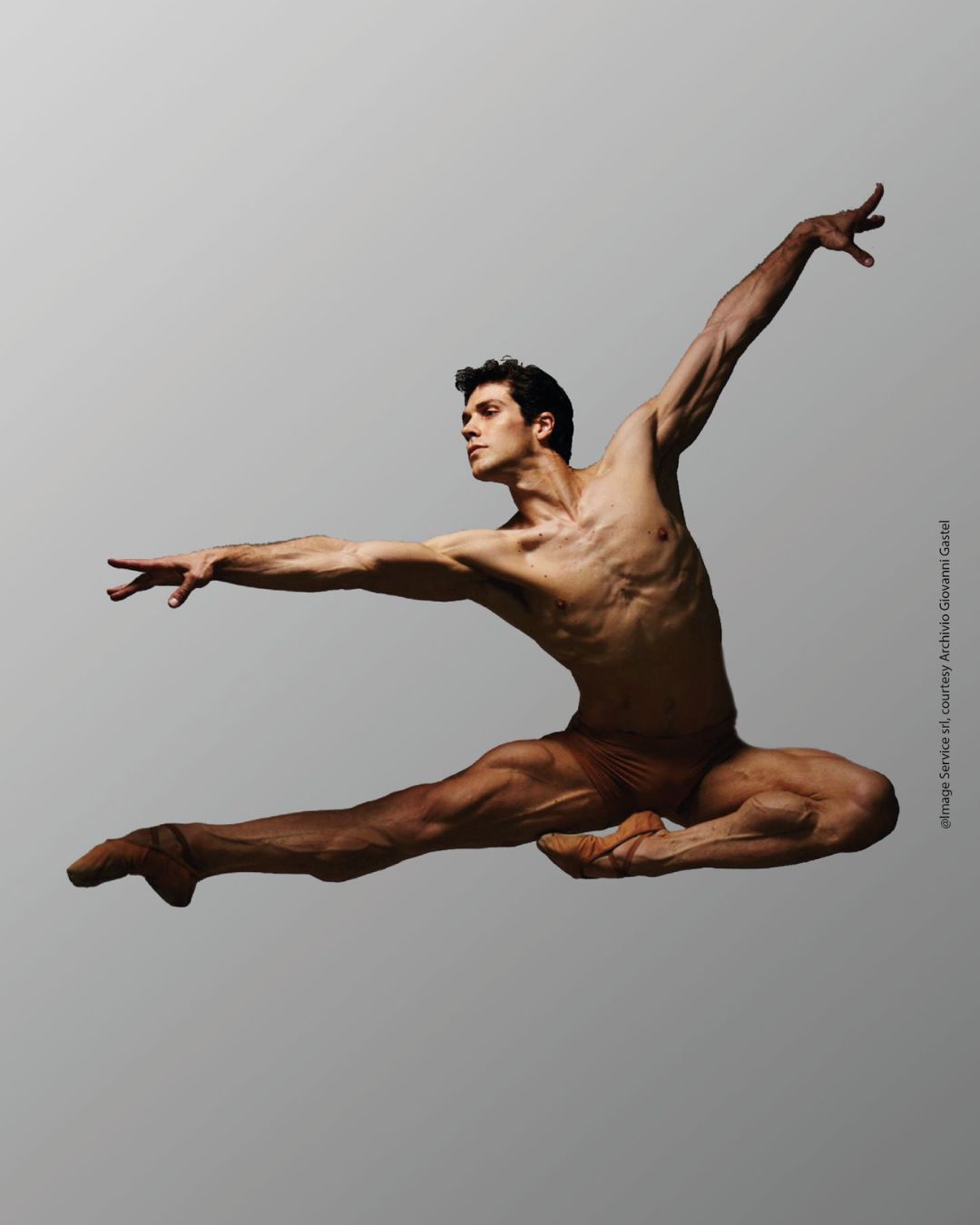
Roberto Bolle and Friends: The International Cast and Program for the Gala Opening I Cantieri dell’Immaginario 2026 Have Been Unveiled
Roberto Bolle stars in five choreographic works alongside the leading dancers of some of the world’s most prestigious companies The…
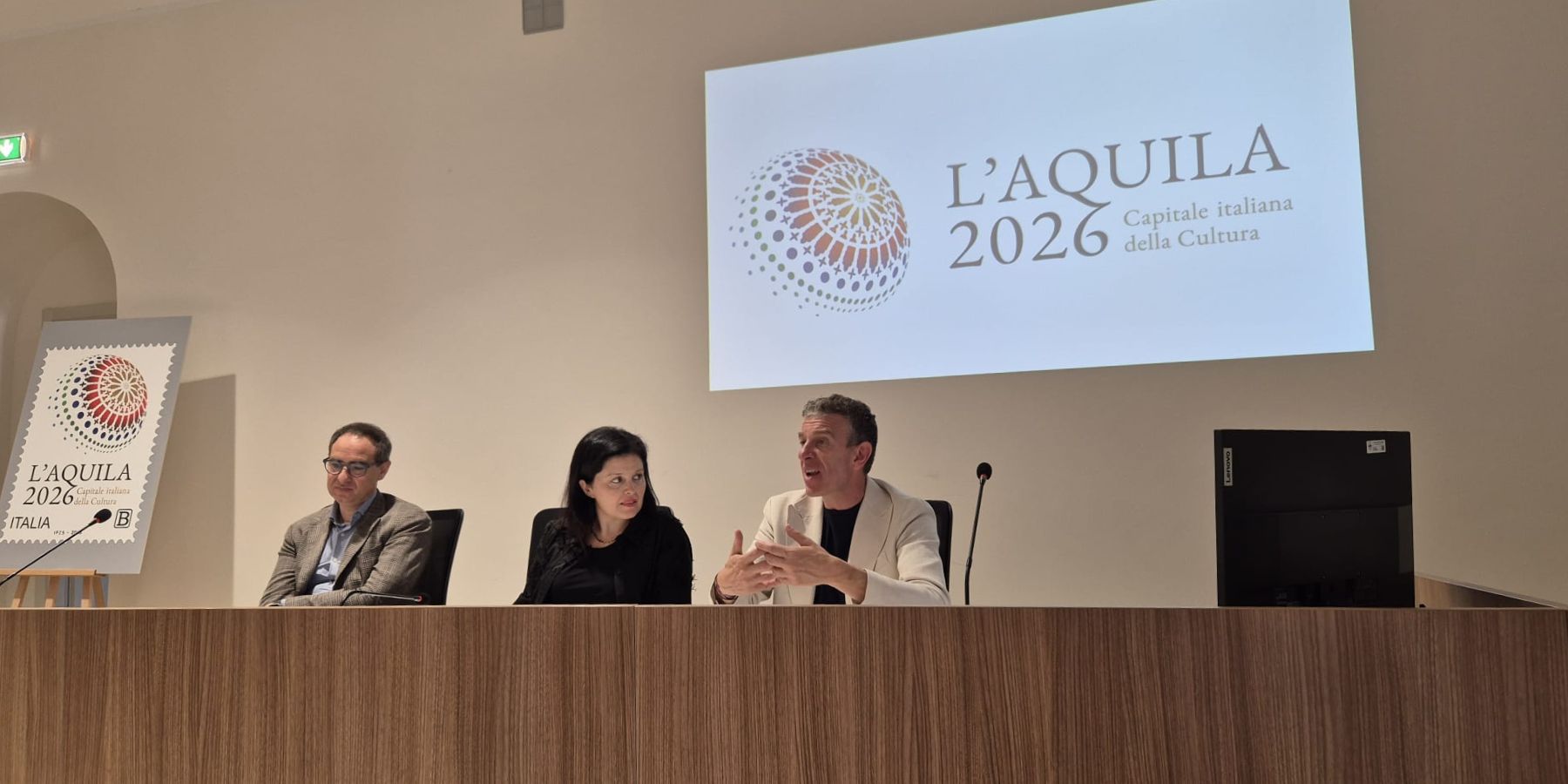
“Quarti di Rinascita”: the free web app for exploring the four historic districts of L’Aquila using augmented reality and gamification
L’Aquila has a new app. It’s called “Quarti di Rinascita” and is a digital tool designed for residents and visitors…
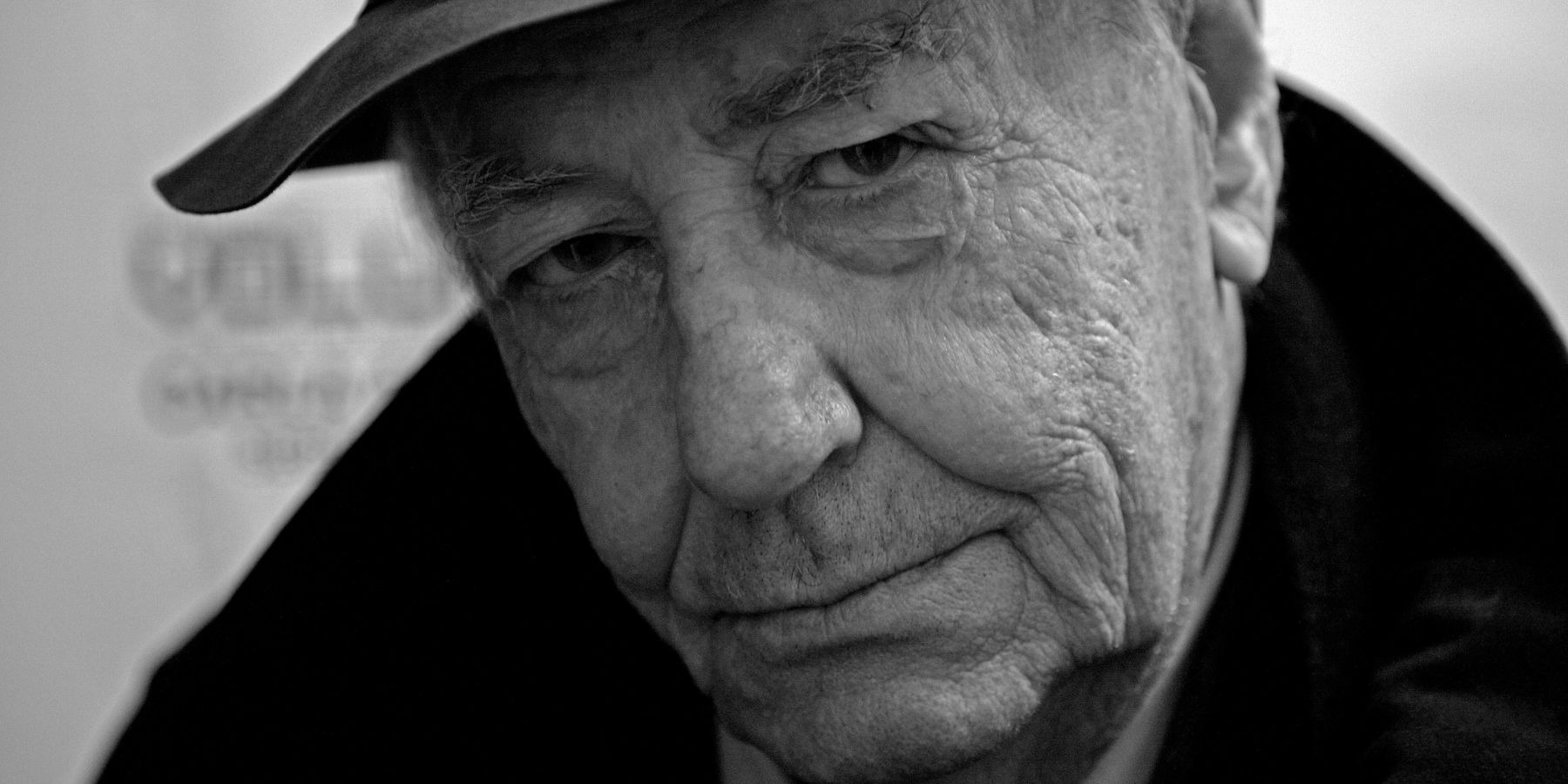
“Fabio Mauri. The Years in L’Aquila”: MAXXI L’Aquila presents a major exhibition curated by Maurizio Cattelan and Marta Papini to mark the centennial of his birth. Starting September 26, 2026
On the 100th anniversary of Fabio Mauri’s birth, the City of L’Aquila and MAXXI present the most anticipated exhibition of…